

Ethics and safety·September 27, 2026, 20:32
Anthropic loses lawsuit: Pentagon may keep blacklisting Claude
AI-generated and checked against the sources listed below.
A US appeals court has sided with the US Department of Defense (the Pentagon) in ruling that it may exclude the AI company Anthropic as a supplier. The case concerns the fact that Anthropic's chatbot Claude may not be used for fully autonomous weapons or mass surveillance of US citizens.
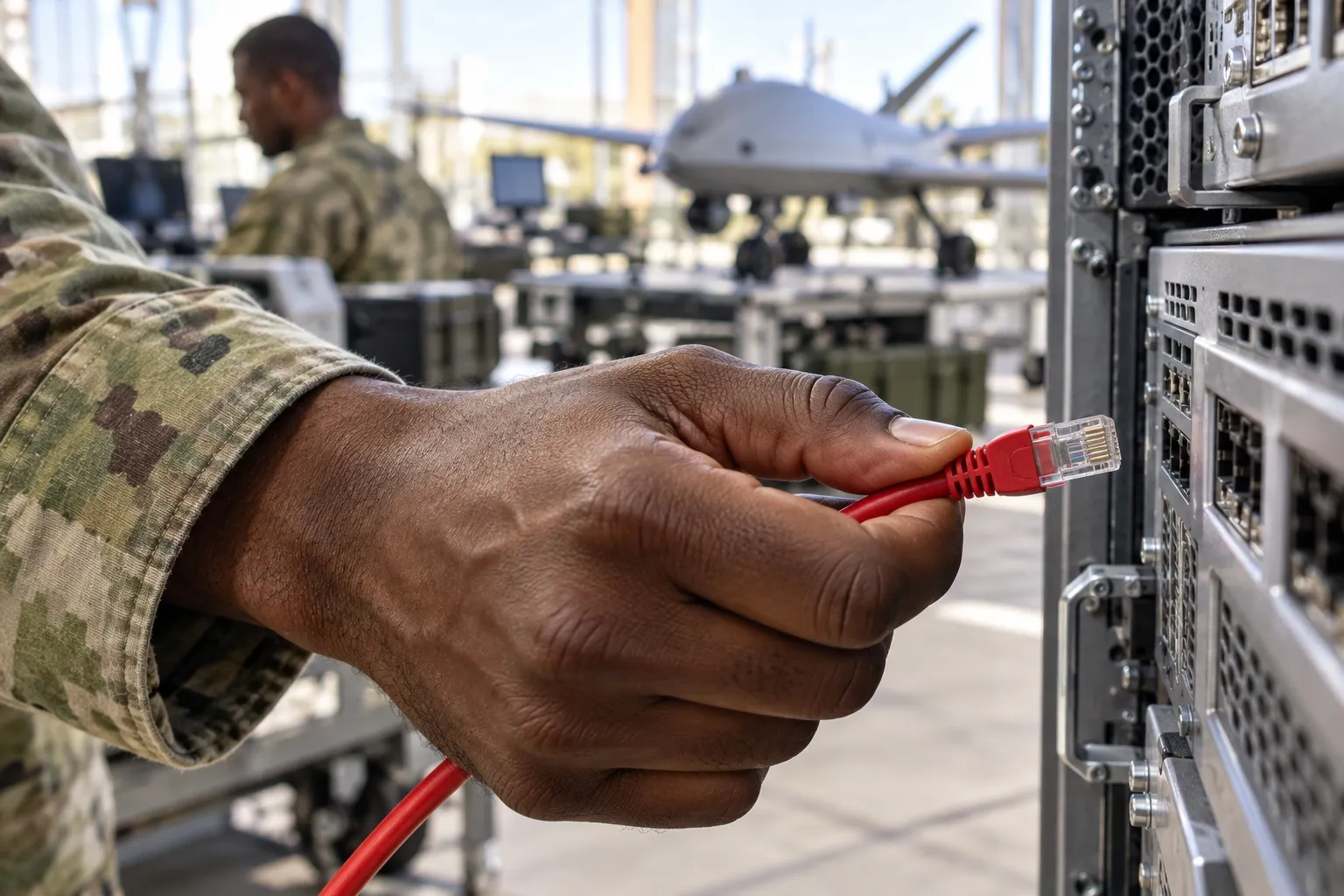
A federal appeals court in Washington D.C. has refused to halt the Pentagon's decision to blacklist the AI company Anthropic. The ruling came on Friday, September 25, by a 2-1 vote, and it means that Anthropic's chatbot Claude remains banned from use in the US Department of Defense.
The background is that in February 2026 the Pentagon labeled Anthropic a so-called "supply chain risk," a designation for companies that pose a security risk in the supply chain. The label is normally used against firms with suspected ties to hostile governments, but here it was about something else: Anthropic has set limits on what Claude may be used for. The company does not allow the AI to be used for fully autonomous weapons systems without humans in the decision chain, or for mass surveillance of US citizens. When Anthropic refused to remove those restrictions, the Pentagon chose to exclude the company.
The majority on the appeals court acknowledged that Anthropic had no ill intent with its rules, but nevertheless found that the Pentagon had the right to fear that the company could change Claude in ways that would make the AI useless for tasks the military considers necessary. One of the three judges disagreed, arguing that the law should only apply to companies that deliberately try to deceive or sabotage, not companies with open, known rules.
In practice, the decision means that neither the Pentagon nor the companies working on defense contracts may use Claude in that work. Anthropic says it disagrees with the ruling and is considering appealing further, in part because a court in California reached the opposite conclusion in a related case in August.
The case is interesting because it concerns a gray area: Should an AI company be able to be punished for setting ethical limits on its own technology, even when the limits are known and not hidden? The outcome could affect how other AI companies choose to work, or not work, with the military in the future.
Sources



Get the week's AI news in your inbox
Choose your level, topics and length. One email a week, unsubscribe at any time.
Subscribe to Promptly Newsletter