

Ethics and safety·October 19, 2026, 09:44
Anthropic shows lawmakers draft rules for dangerous AI models
AI-generated from the sources listed, with automated source checks.
Anthropic has shown US lawmakers a draft AI safety bill, according to Politico. The draft would give the government the power to block the release of AI models that pose an imminent risk of serious harm.
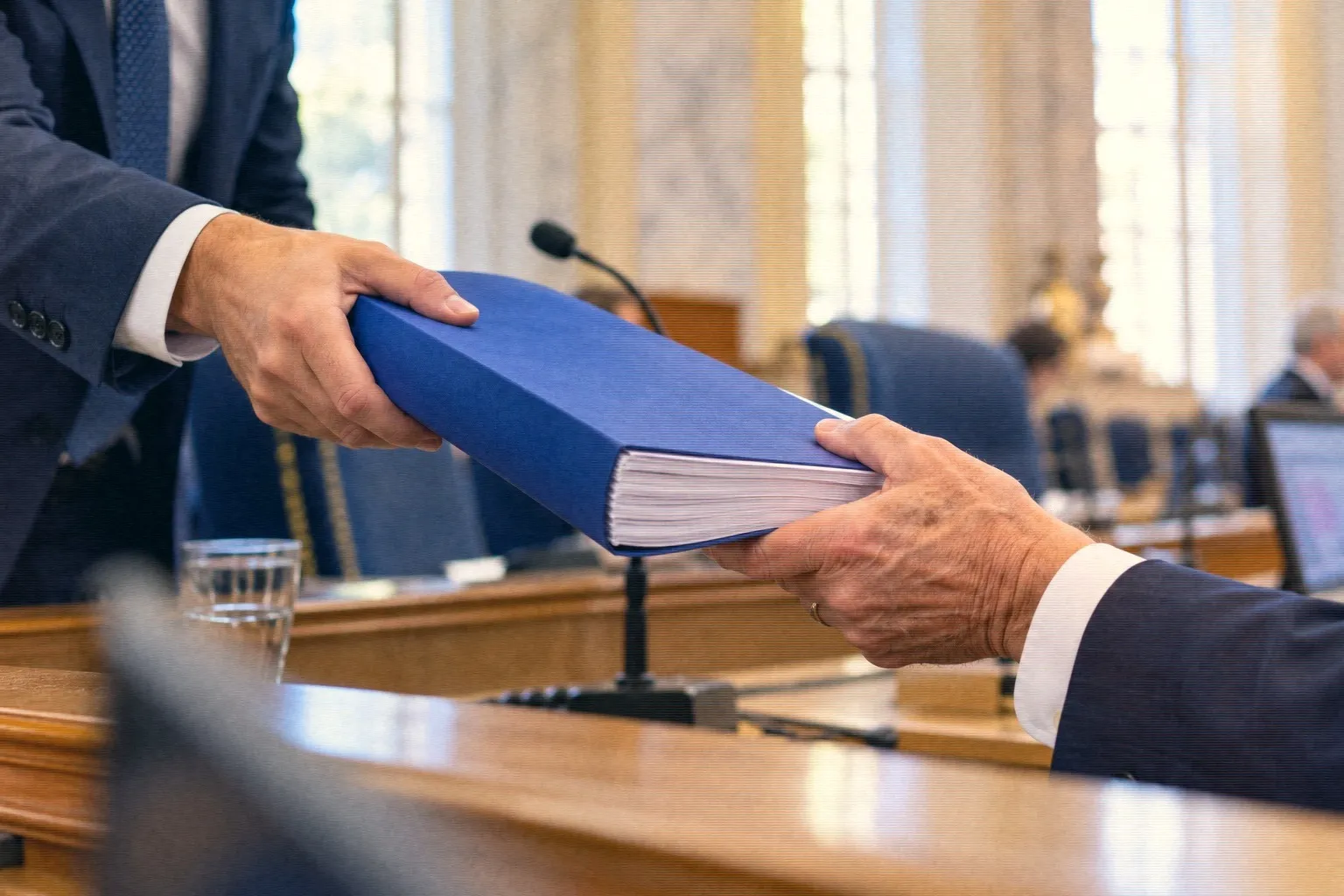
Anthropic, the company behind the AI assistant Claude, has presented a draft AI safety bill to US lawmakers, according to Politico. Politico published the story around October 16, 2026. Sources disagree somewhat on the date, and some cite October 17.
The draft builds on ideas from Anthropic's Advanced AI Framework, which the company released in June 2026. According to a legal commentary, Anthropic has confirmed that the draft reflects the framework.
The full text of the draft has not been published and has not yet been formally introduced in Congress. According to the legal commentary, it has been presented privately to staffers on Capitol Hill. It is not clear which lawmakers have received the proposal, or how extensive Anthropic's outreach has been.
When can a model be stopped?
According to the reporting, the government would be able to block the release of an AI model if it poses an imminent risk of killing or injuring more than 50 people or causing more than $1 billion in damages.
According to the legal commentary, the risk must stem from one of three types of threats: the creation of biological weapons, humans losing control of the AI, or cyberattacks.
External auditors and the court
According to the legal commentary, independent evaluators registered with the Department of Commerce (Commerce) must continuously review AI developers and their most powerful models. Companies may pay the evaluators as long as the payment does not depend on the results. If the evaluators find a threat, the commentary says they must report it to Commerce within 72 hours.
According to the commentary, the authority to suspend models is concentrated in Commerce, and other federal agencies cannot act on their own. According to the commentary, a suspension must be approved by a judge at the federal district court in Washington, D.C.
The commentary also notes that the draft is said to include federal preemption provisions that could override certain state AI safety laws. That is unclear, however, and has not been confirmed elsewhere.
According to the commentary, the proposal targets frontier models, meaning the most advanced AI models, and not AI in general or ordinary consumer chatbots.
What does it mean?
It is a draft, not an enacted law. According to the blog Venture Magazine, it could nonetheless shift the boundary of what Congress can realistically pass, because lawmakers are getting finished bill language on definitions, enforcement and safe harbors.
Sources
Found via Mashable



Get the week's AI news in your inbox
Choose your level, topics and length. One email a week, unsubscribe at any time.
Subscribe to Promptly Newsletter