California wants a human in the loop when AI decides to fire you
Governor Gavin Newsom has signed 13 AI laws. According to his office, they require a human to review automated decisions about firings and disciplinary actions, among other things.
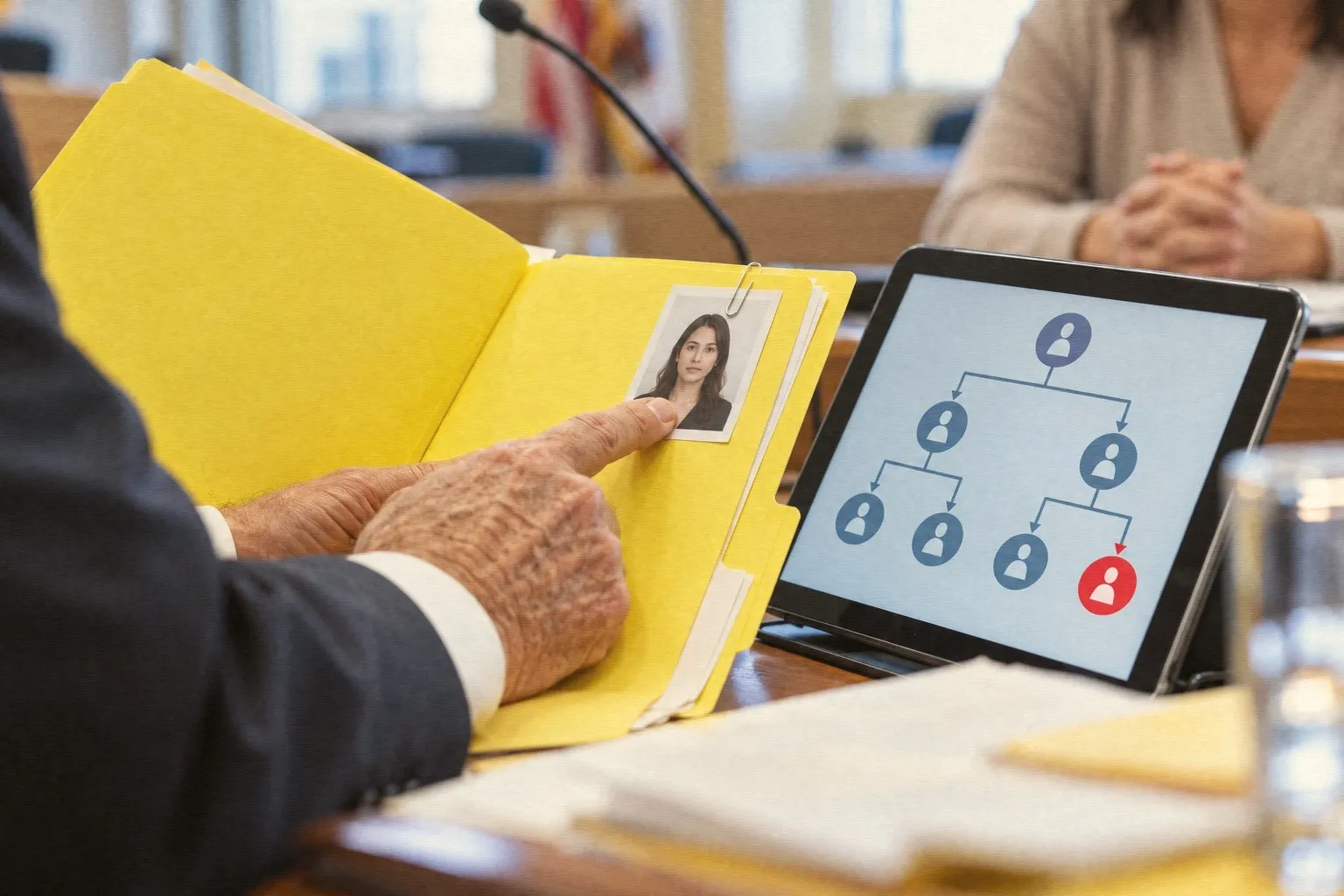
If an employer in California wants to use AI to decide whether an employee should be fired or face disciplinary action, the computer can't have the final say. That is one of the changes in a package of 13 AI laws that Governor Gavin Newsom signed on September 30, 2026, according to his own office.
What the laws mean for the workplace
According to the press release, employers may not rely solely on AI in such cases. A human must review automated decisions about employment.
Employers must also disclose when a mass layoff, a relocation or a termination is the result of an AI system. The laws also ban the use of surveillance tools in workplace restrooms.
The governor's office calls several of the laws the first of their kind in the US. That description comes from the office itself and has not been independently verified.
Lorena Gonzalez, president of the California Federation of Labor Unions, says: "Workers across California have demanded that our state lead the way in regulating AI in our workplaces. And today we are seeing that begin to happen." She believes four of the laws (SB 947, SB 951, AB 1331 and AB 1883) set up a framework with human oversight, limited surveillance and workers front and center.
Rules for lawyers, doctors and schools too
Lawyers are barred from handing core legal work, such as court filings or legal assessments, entirely over to AI.
Doctors and other licensed providers must be able to use their own professional judgment when AI or other clinical decision-making tools are part of treatment. Developers of such tools must take reasonable steps to reduce known or foreseeable bias in how the systems are used.
Public institutions of higher education must provide training for students, instructors and staff on AI and on the procurement of AI.
Fake content and deepfakes
It will be illegal to remove a digital watermark, and access to metadata will be provided so it is easier to determine whether something was made by AI or by a human. California's AI transparency law is being strengthened so residents can better recognize AI-generated material.
Public comments at local government meetings must come from real people and not from AI bots. In addition, civil and criminal law is being updated to protect the right to one's own likeness and to counter impersonation through deepfakes, including sexually explicit content made without consent.
Newsom says AI should expand opportunities and not come at the expense of workers and families, and that California is putting people at the center.
Newsom also signed an executive order that defines artificial intelligence. The office describes it with a wink: in California, AI will continue to stand for "Artificial Intelligence."
All information comes from the governor's press release, and the descriptions may differ from the exact wording of the laws. The sources do not say when the laws take effect.
Updated 14 October 2026: The article has been rewritten from additional sources.
Updated 31 October 2026: The quotes in the Danish edition have been translated into Danish.
Read also


