

Politics and regulation·October 16, 2026, 19:42
China could block exports of its most powerful AI models
AI-generated from the sources listed, with automated source checks.
China has put draft rules on AI exports out for public consultation. The rules could hit the largest and most advanced models, but not ordinary use through apps and websites.
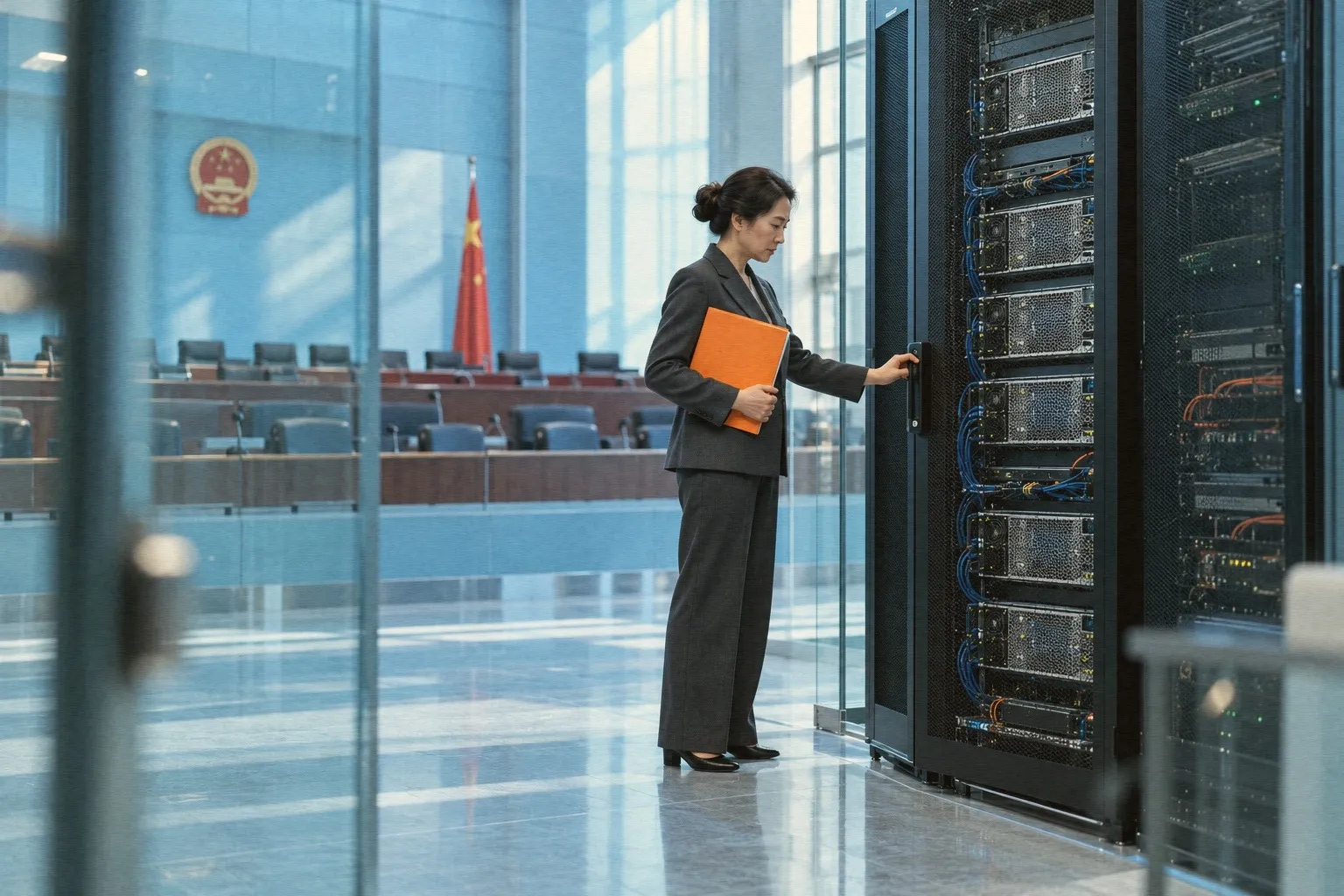
China's commerce and science ministries have published a draft of an updated list of technologies that may not be exported, or may be exported only with restrictions. The list includes 23 key AI technologies, among them large models, AI agents (programs that carry out tasks on their own), computing clusters and data processing. This is a draft, and the final rules may differ.
What is affected?
AI tools that can independently write or modify malicious software for attacks on critical infrastructure, the military or government agencies would, under the plan, face a total export ban. Certain tools for finding vulnerabilities in software would not be banned outright but would face new restrictions.
Large models can be controlled in two ways. The first applies if they are trained on China's "important data" under the Data Security Law and deliver services based on it. Lawfully public data is exempt, and up to 0.1 percent important data is allowed under certain conditions.
The second involves controls on the core technology behind the models, such as weights (the values a model has learned), source code and training methods. This applies if a model is trained with at least 10^26 FLOPs (floating-point operations), has at least 2 trillion parameters or is among the world's top ten. Top-10 status is assessed based on public rankings.
Exemptions and relaxations
Technology that has already been published as open source or in research papers is exempt. If a company releases restricted technology as open source, it can get an "automatic license," under which the export is approved as soon as the paperwork is submitted. This also applies to Chinese companies that, for example, run their own data centers abroad or do research with foreign partners.
Use of restricted models via API, apps, websites or SaaS is not covered. Installation on local servers abroad, however, requires an ordinary export license.
Background and assessments
According to the Financial Times, as reported by Trending Topics, the commerce ministry has spoken with Alibaba, ByteDance and Zhipu, among others, about possible controls, including blocking foreign downloads of model weights while keeping access through API and cloud. A tiered arrangement was also discussed. Several companies warned that stricter rules could slow their development.
Dean W. Ball, head of strategic futures at OpenAI, says, according to The Decoder, that this does not mean China is shutting off open-weight models (models with freely available weights), but that the government is creating the option to shut off future models of its choosing. He calls the framework a "mirror image" of US export controls.
The Decoder assesses that the rules will likely lead US companies to bet more on domestic open-weight models, and that Europe will end up in a tougher position.
Until the final rules take effect, companies must register affected exports through the commerce ministry's portal.
Sources



Get the week's AI news in your inbox
Choose your level, topics and length. One email a week, unsubscribe at any time.
Subscribe to Promptly Newsletter