DeepSeek vs. ChatGPT: Open source, lower prices, but sources disagree on image support
DeepSeek's models can be downloaded and run on your own servers, while ChatGPT is closed. DeepSeek's per-token prices are lower, but sources disagree on whether DeepSeek can understand images.
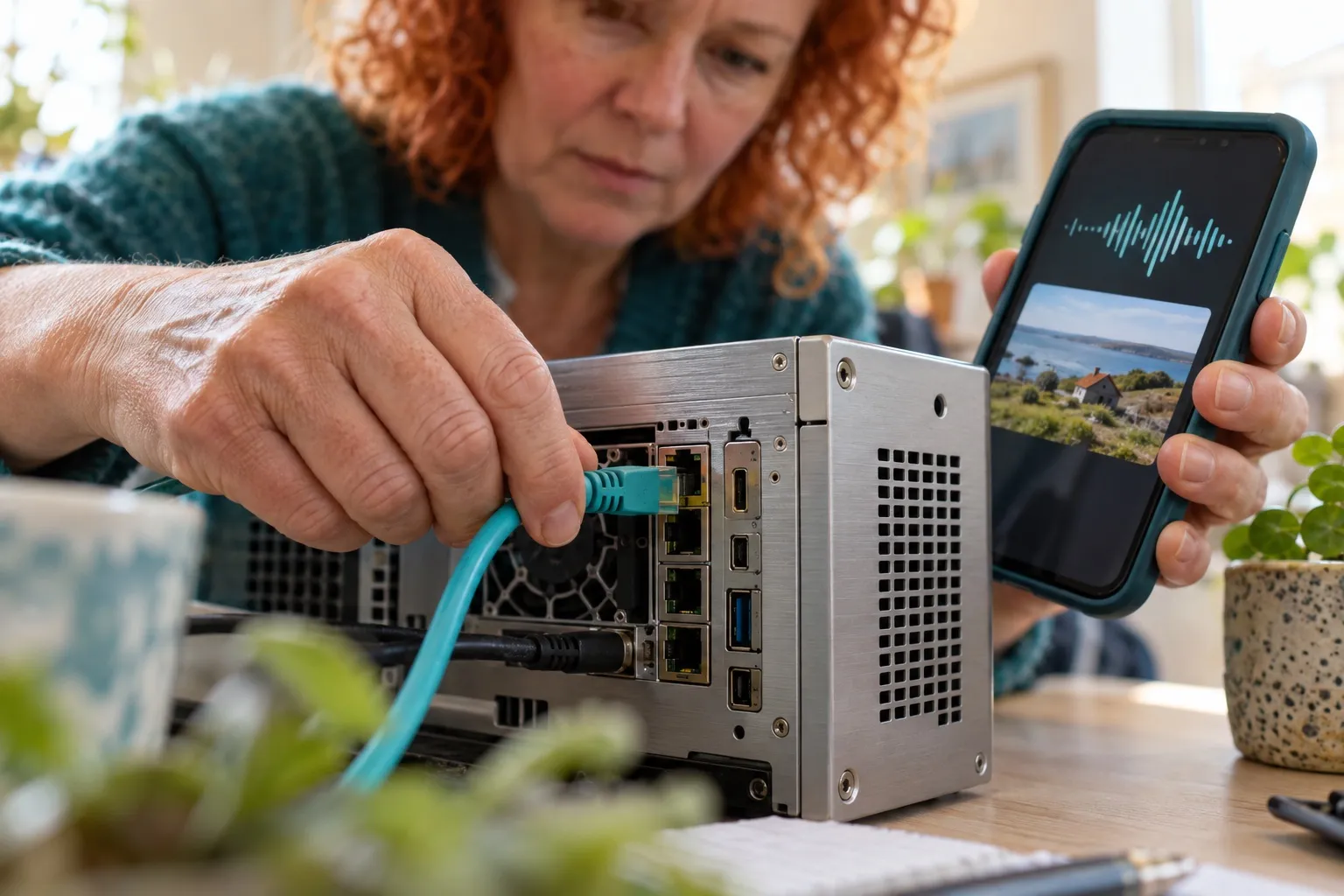
If your workplace is considering an AI model, there are two big differences between China's DeepSeek and America's ChatGPT: how open they are, and what they cost to use.
Open vs. closed
DeepSeek's models are open and released under the so-called MIT license. That means you can download them, run them on your own servers and customize them. Both Voiceflow and Zapier say so in their comparisons.
ChatGPT's models, by contrast, are closed. They can only be used through OpenAI's app or its application programming interface (API). For a company that wants to keep data on its own servers, that difference can matter a great deal.
New models in 2026
According to Voiceflow, DeepSeek V4 was released in April 2026 in two variants: V4-Pro and V4-Flash. OpenAI's GPT-5.6 arrived in July 2026 in three tiers: Sol, Terra and Luna.
Prices per million tokens
Tokens are the small chunks of text an AI model reads and writes. Prices are quoted per million tokens.
Voiceflow states that DeepSeek V4-Flash costs $0.14 per million input tokens, while GPT-5.6 Luna costs $1 and GPT-5.6 Sol costs $5.
DeepSeek's own pricing page shows slightly different figures. For Flash, input is $0.15-0.30 and output is $0.60-1.20. V4-Pro costs $0.66-1.32 for input and $1.98-3.96 for output. The price depends on the time of day, and off-peak prices are half of peak prices. Prices may also change.
Images and other media
According to Voiceflow, ChatGPT supports text, images and voice. It can understand uploaded images and charts, and it can also generate images.
For DeepSeek, the sources disagree. Zapier says DeepSeek is not multimodal, and Voiceflow calls it text-focused. But DeepSeek's own documentation says the Flash model supports image understanding, while V4-Pro does not.
Shared strengths
Both DeepSeek models have a context window of 1 million tokens, meaning the amount of text they can keep track of at once. They also support thinking mode and tool calling. Voiceflow also writes that DeepSeek's V3.2/V4 line achieved gold medal results at the international olympiads in mathematics and informatics.
Voiceflow is itself a platform provider, and both comparisons come from third parties. Model names and versions vary between the sources, so it is not always clear exactly which versions are being compared.
Updated 14 October 2026: The article has been rewritten from additional sources.
Read also


