

Ethics and safety·October 1, 2026, 00:00
From Pikachu to dancing dogs: AI videos from Sora went viral
AI-generated and checked against the sources listed below.
Shortly after launch, OpenAI's video app Sora became the most downloaded app in the App Store, as users filled the internet with everything from dancing dogs to Pikachu in war movies. The success also triggered protests from film studios and actors, and six months later ended with the app being shut down.
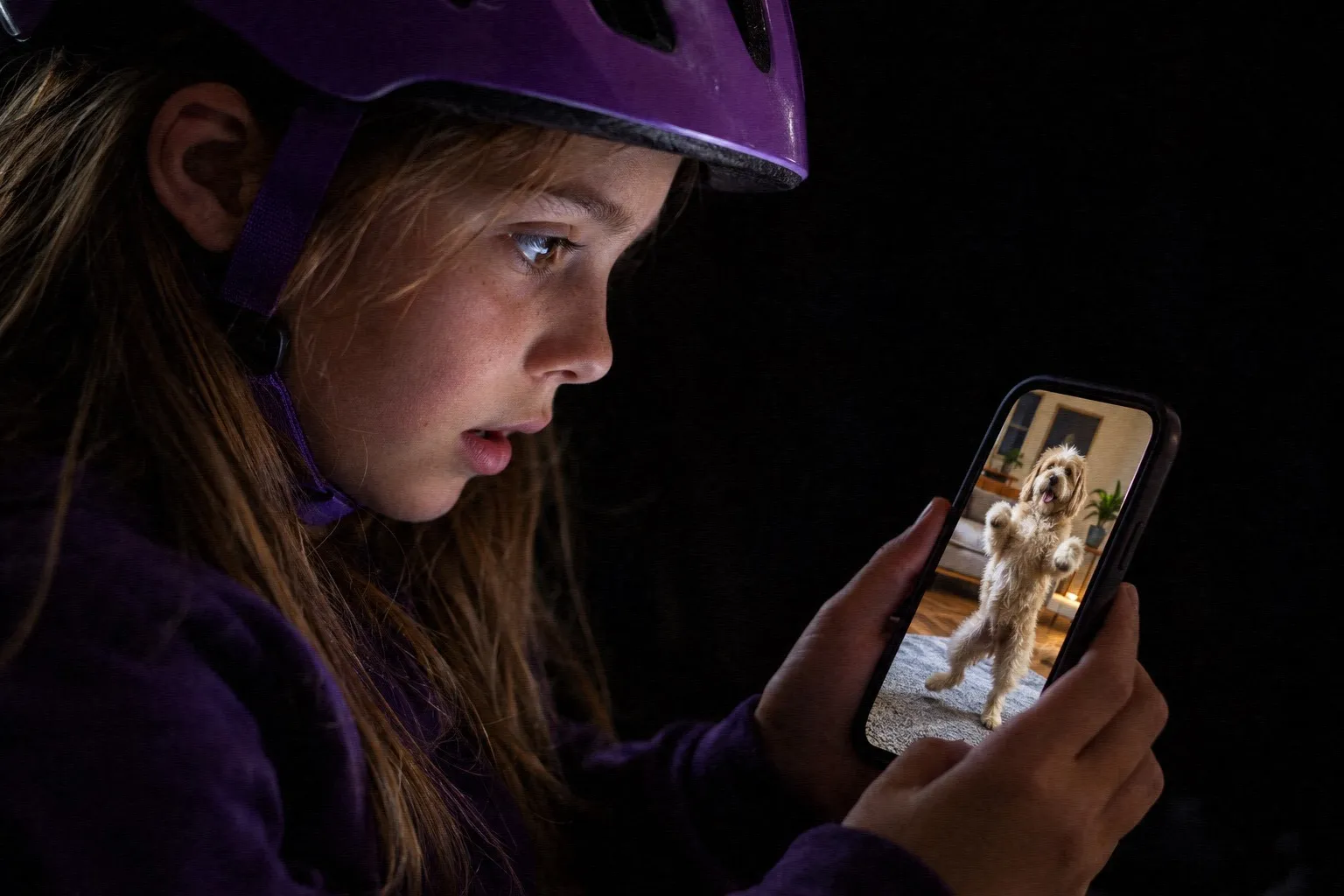
When OpenAI launched the video app Sora 2 last year, things moved fast. The app, which makes short films from a text description, became the most downloaded app in the App Store's photo and video category in the US within a single day and quickly climbed to become one of the most popular apps overall.
Sora works a bit like TikTok: Users create short AI-generated video clips and share them in a feed where others can watch and like them. The difference is that nothing you see was filmed with a real camera; all of it is computed by an AI model based on a short text prompt.
Dancing dogs and Pikachu at war
It didn't take long for the internet to figure out what the technology could be used for. A video of squirrels bouncing on a trampoline got 7 million views, while a golden retriever dancing to Latin music reached 15.1 million views in just six days. An AI cat in a mariachi band got 2.8 million views in two days.
Other users used Sora to recreate famous movie scenes with Pikachu in the lead role, including a version of the war film "Saving Private Ryan" in which Pikachu storms the beach instead of the soldiers. Nintendo characters such as Mario and the video game character Lara Croft also showed up in strange mashups.
Protests from Nintendo and actors
The success quickly raised concerns. Nintendo demanded that the company take action against the use of its characters, and the Japanese government officially asked OpenAI to stop copyright infringement. At the same time, actors' unions and the families of deceased celebrities such as Michael Jackson protested that their faces were being used without permission in AI videos.
OpenAI subsequently had to give rights holders more control over which characters and people could be used. But the pressure continued, and in March this year OpenAI chose to shut down the Sora app entirely, just six months after it went viral.
Sources



Get the week's AI news in your inbox
Choose your level, topics and length. One email a week, unsubscribe at any time.
Subscribe to Promptly Newsletter