

Updates·October 4, 2026, 15:11
Nvidia-backed Reflection prepares its first open AI model
AI-generated and checked against the sources listed below.
US-based Reflection AI, in which Nvidia has invested heavily, is reportedly set to release its first model with open weights soon. No name, date or test of the model has been published yet.
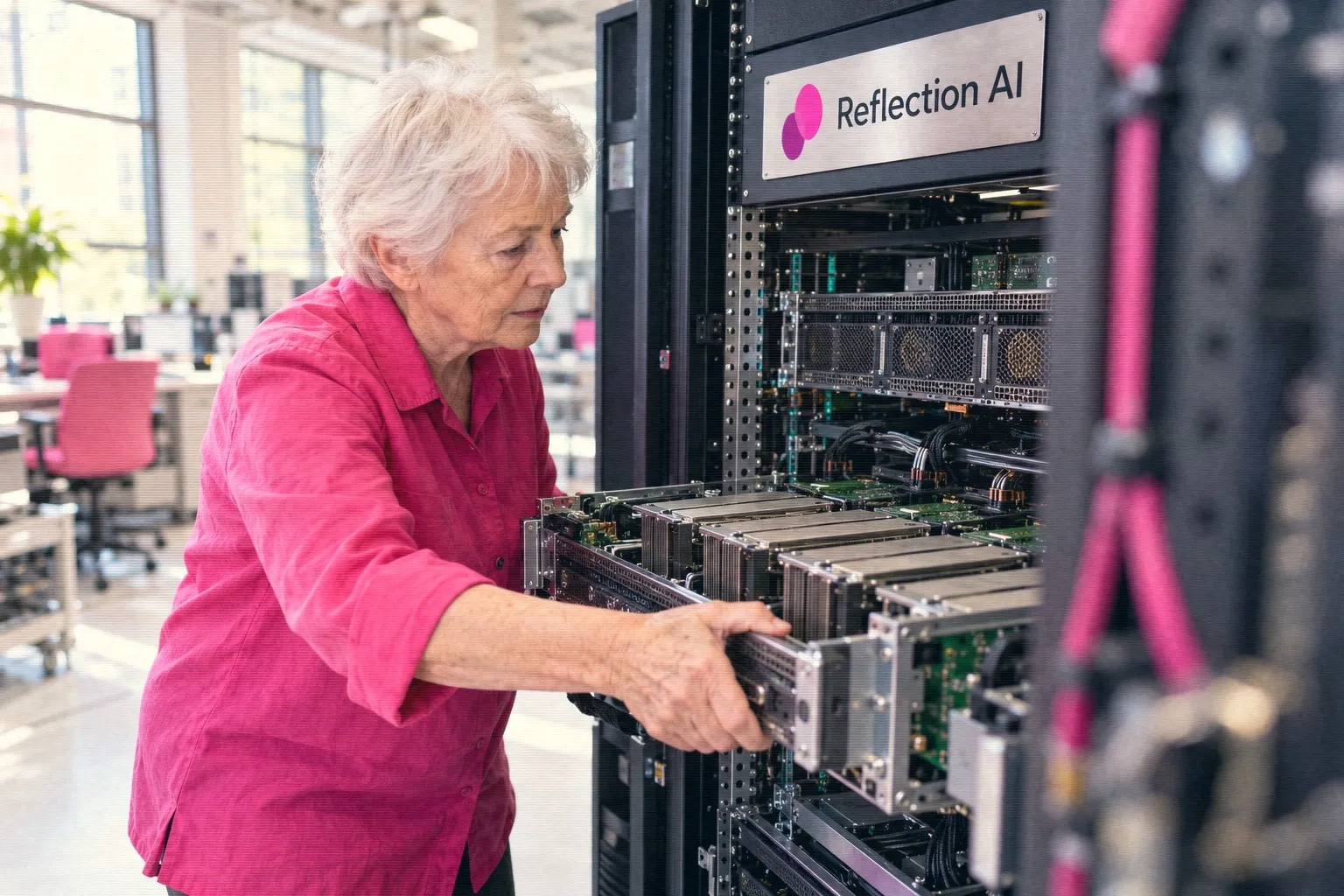
According to the news site Axios, the US AI startup Reflection AI is about to release its first so-called open-weight model. Axios reported this on October 4, 2026, citing sources familiar with the plans. So this is reporting on an upcoming launch, not a finished release with official figures.
What is an open model?
With an open-weight model, the developer publishes the model's "weights," that is, the numbers that make up the trained AI itself. This means others can download the model, adapt it and run it on their own computers. That is different from, for example, ChatGPT, where you can only use the model through the company's own service. Reflection has previously said that the training data and the other tooling behind the model will remain closed.
Founder Misha Laskin has explained that the weights are what matter most, because anyone can use them and experiment with them.
How good will it be?
Axios writes that the model is initially expected to lag behind the most advanced US models. On the other hand, it is expected to be able to compete with the best Chinese open models. It is meant to be capable enough for companies to build their own cheap AI on top of it.
That fits with Reflection's plan for an "AI factory." Here, institutions can combine their own data, Reflection's models and their own computing power into a tailored and cheaper AI system.
The money behind it
Reflection was founded in 2024 by two former Google DeepMind researchers, Misha Laskin and Ioannis Antonoglou. In October 2025, the company raised 2 billion dollars in a round led by Nvidia, which contributed 800 million dollars. At the time, the company was valued at 8 billion dollars. Later reports speak of a valuation of up to 25 billion dollars.
What don't we know?
There is still no model name, release date, license terms or independent tests. Whether the model will really change the competition, as the headlines suggest, therefore cannot be said yet.
For ordinary users, it does not mean much in the short term. In the somewhat longer term, more strong open models from the US may give companies more choices than using either closed US services or Chinese models.
What it means for you
As an ordinary user, you can relax, because there is nothing to download or try yet. If you or your workplace has an IT department, however, it may be worth giving them a heads-up that more open models are on the way. They can be used to build a cheaper AI solution on the company's own data instead of paying for a closed service. Keep an eye on what the model will be called, and look at the first independent tests before you expect too much.
Sources



Get the week's AI news in your inbox
Choose your level, topics and length. One email a week, unsubscribe at any time.
Subscribe to Promptly Newsletter