

Ethics and safety·October 1, 2026, 00:00
OpenAI tightens rules for people in video AI Sora
AI-generated and checked against the sources listed below.
After pressure from actor Bryan Cranston and the actors' union SAG-AFTRA, OpenAI has tightened the safeguards in the video tool Sora 2, making it harder to create AI videos with real people's faces without permission.
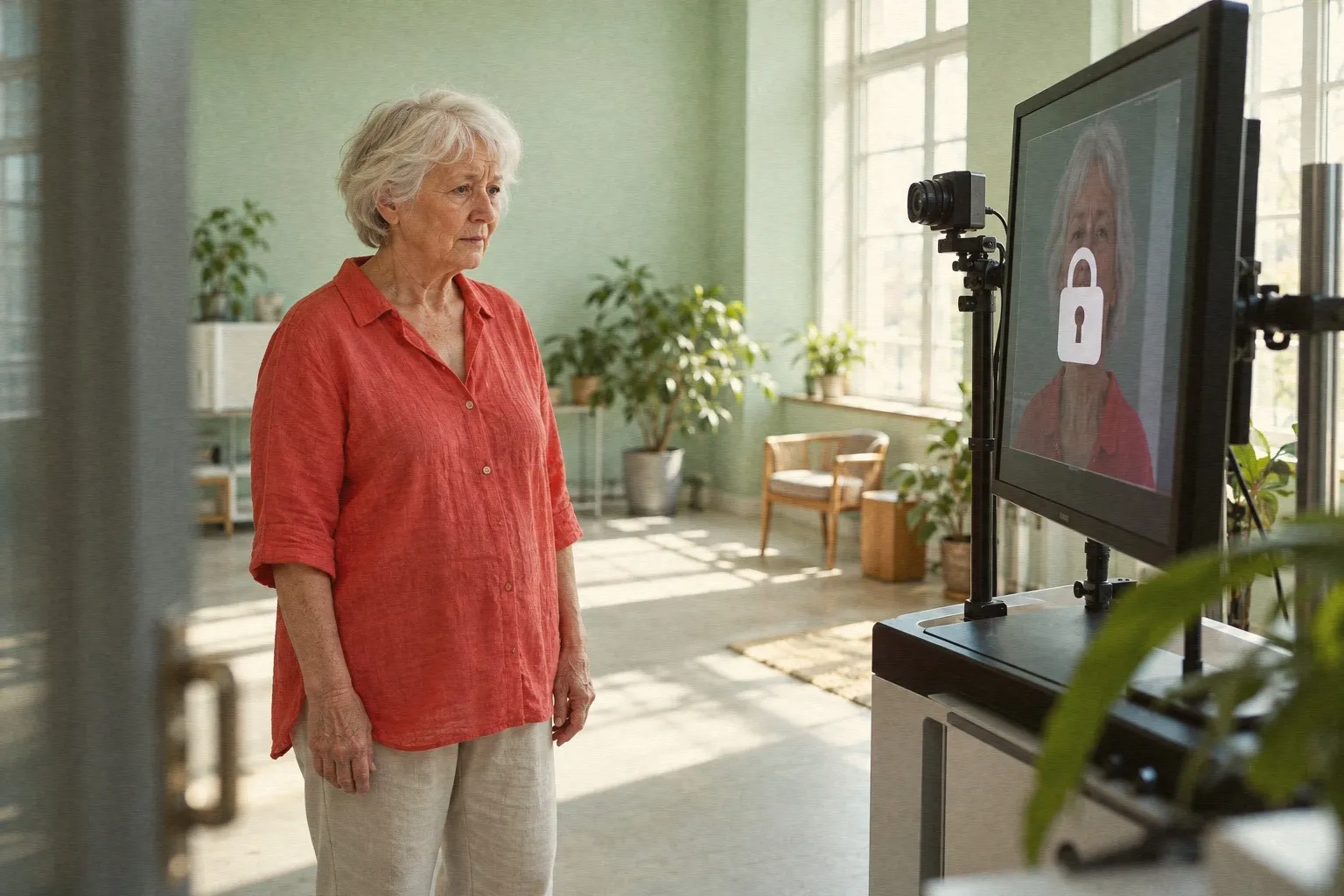
OpenAI has tightened the rules on who can appear in videos made with Sora 2, the company's AI tool that can generate realistic video clips from a text description.
The background is that actor Bryan Cranston, known from the TV series Breaking Bad, discovered AI videos with his own face on the platform shortly after Sora 2 launched at the end of September. This happened even though OpenAI had already promised that users would not be allowed to recreate other people's faces without consent.
It wasn't only Cranston's face that showed up without permission. Copyrighted characters such as Pikachu and SpongeBob were also shared in videos made with the tool, which showed that the original safeguards did not work well enough.
What has changed
Cranston took the matter to the US actors' union SAG-AFTRA, which worked with OpenAI and several talent agencies to strengthen the protection of voice and likeness in Sora 2. The result is that the platform now shows an error message if a user tries to create a clip that may violate the rules on "third-party likeness" or similarities to other people's content.
In other words, the system now tries harder to recognize and block attempts to imitate specific people's faces or protected characters before the video is created.
Why it matters
The case is yet another example of how quickly AI tools can be misused to create fake videos of real people, so-called deepfakes. For regular users, it means it will be harder to create videos with famous people without their permission, while artists and actors get better protection against their face or voice being used without consent.
Bryan Cranston has publicly expressed gratitude to OpenAI for tightening up, while the company's CEO Sam Altman has stressed that OpenAI is committed to protecting artists from misuse of their voice and likeness.
Sources
Get the week's AI news in your inbox
Choose your level, topics and length. One email a week, unsubscribe at any time.
Subscribe to Promptly Newsletter