Systematic CEO wins new award as Tech CEO of the Year
Nikolaj Bramsen of Systematic has been named Denmark's first Tech CEO of the Year, while the Carlsberg Foundation is giving DKK 150 million to Danish research, including AI and quantum. Meanwhile, a Danish executive has moved up into the management of a Swedish IT company, and the Pope warns of AI's risks.
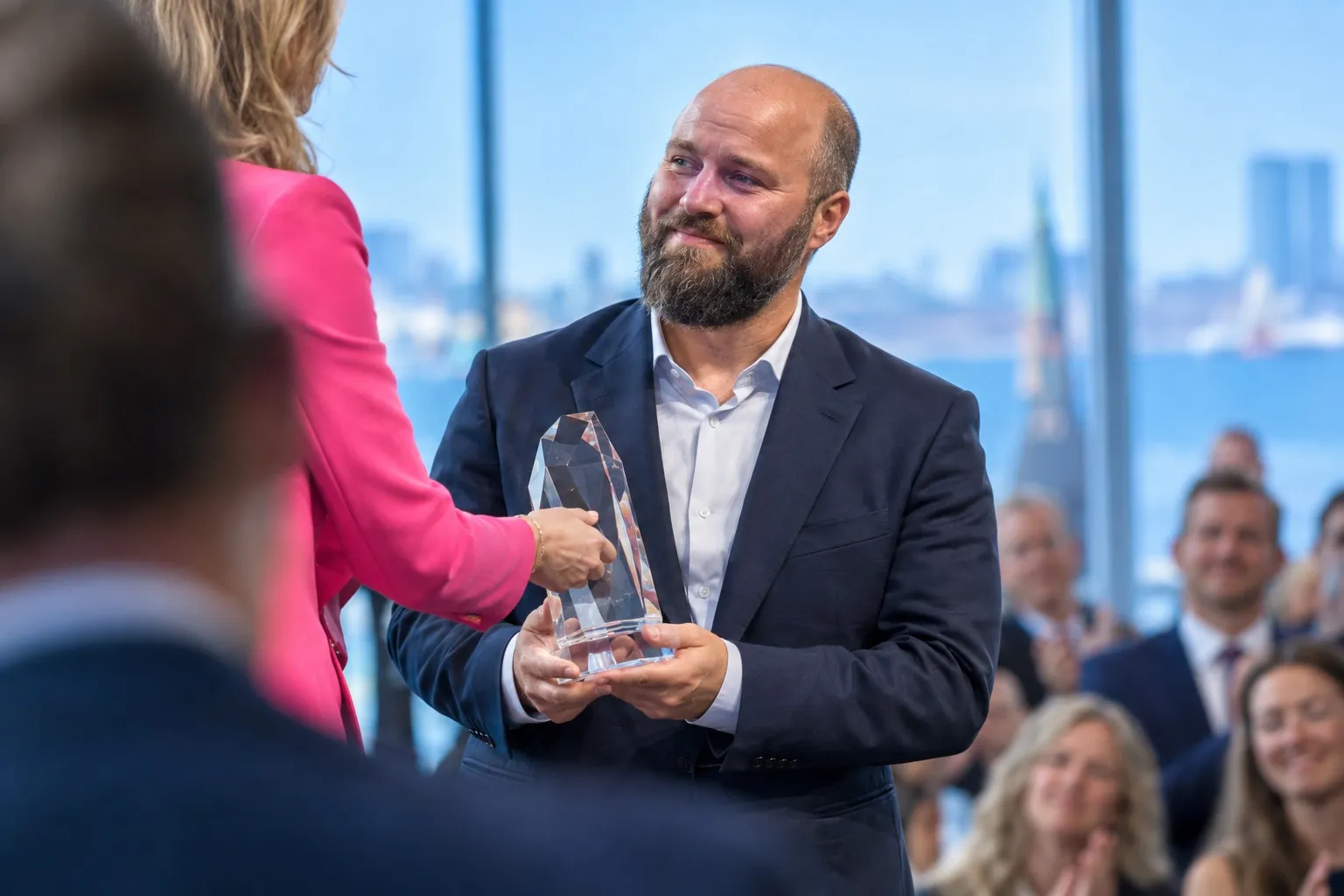
Nikolaj Bramsen, CEO of the Danish IT company Systematic, has won the new award Tech CEO of the Year. The award was presented on Thursday evening by the industry association IT-Branchen at the leadership conference Lederdøgnet at Hindsgavl Castle. It is the first time the award has been given, and it goes to a CEO who has made technology the driving force behind the company's strategy and results.
The jury highlights that Bramsen has led major international growth at Systematic while the company has developed its products. Among other things, Systematic makes IT solutions for defense and healthcare, where requirements for security and responsible use of artificial intelligence are high. Bramsen has been CEO since 2023 after more than 13 years at the company.
Meanwhile, the Danish executive Jacob Kronborg has become a permanent member of the top management of the Swedish IT company Proact IT Group, which has about 1,200 employees in 12 countries. Kronborg previously headed Proact's Danish division and has at various times led the business in Germany and the Czech Republic. He now takes permanent responsibility for that part of the group.
The Carlsberg Foundation is marking its 150th anniversary by giving DKK 150 million to three new research centers, two of which are about technology. Researchers at Aarhus University are receiving DKK 50 million to study how human thinking changes when AI becomes a permanent part of our work and everyday lives. Another center with researchers from CBS and the University of Copenhagen is receiving the same amount to study quantum technology, a new type of technology that uses the smallest building blocks of physics for things such as super-fast computers and secure communication.
Finally, during a visit to the UN's cultural and scientific organization UNESCO in Paris, Pope Leo XIV warned that artificial intelligence could cause people to lose their humanity if its development is not guided by ethics.
Read also


