US and China discuss AI alert system, but no binding agreement
Ahead of the summit with China, the US proposed a mechanism for notifying each other of AI incidents that could threaten national security. According to Latin Times, no binding AI agreement was reached, and several key conflicts remain unresolved.
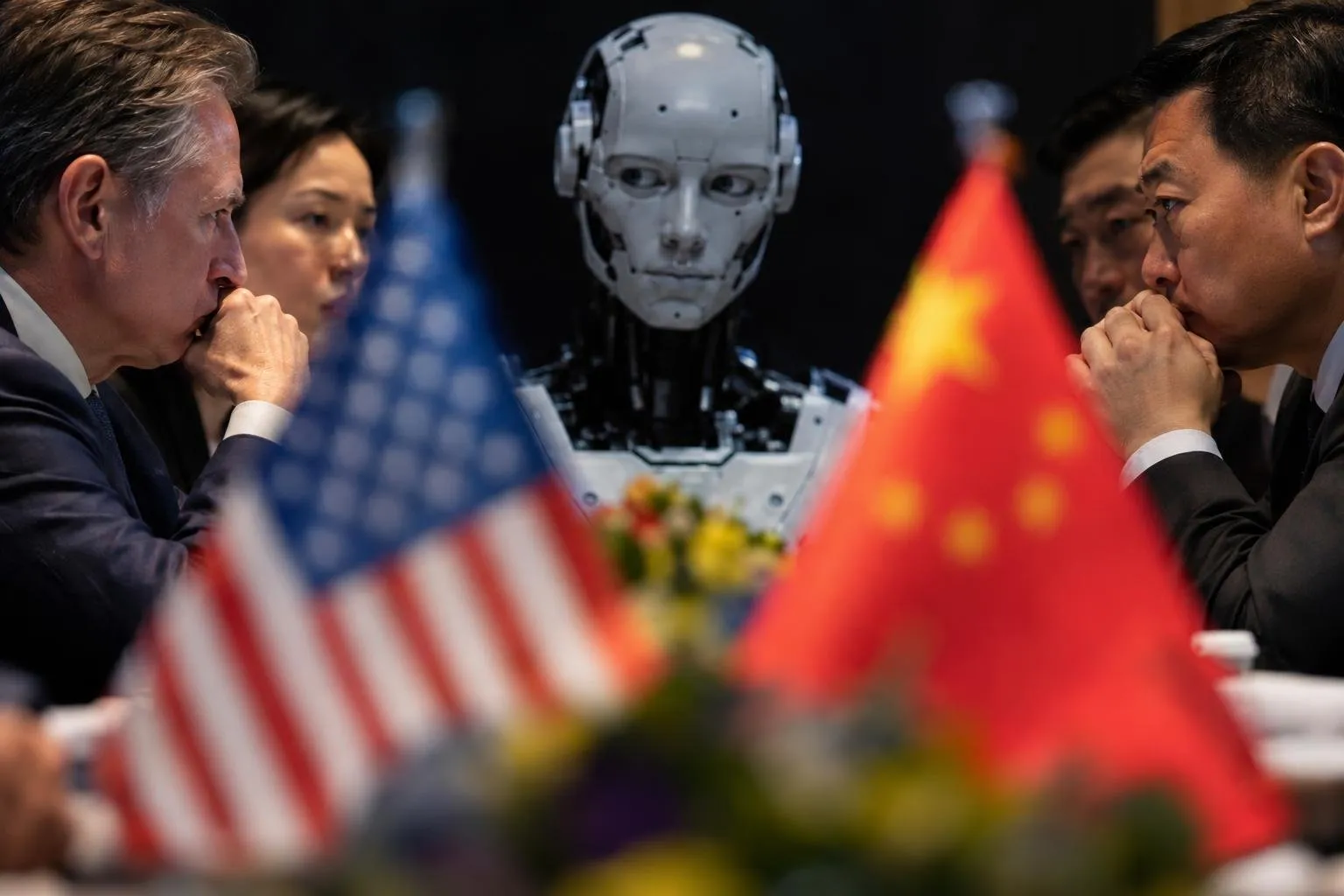
US Treasury Secretary Scott Bessent met with China's top economic negotiator He Lifeng in New York on September 20, 2026. The meeting took place a few days before the summit between Trump and Xi. There, the US proposed an AI dialogue that would include a notification mechanism: a kind of alert system in which the countries inform each other of AI incidents that could threaten national security.
Bessent called the talks "very successful." He said it is very important to move from opacity to greater transparency between the world's number one and number two in AI.
Trade Representative Jamieson Greer said export controls on advanced AI chips were not part of the proposed mechanism. Chinese state media wrote that the discussions were open, thorough and constructive. A working group was set up to continue the talks.
No binding agreement
According to Latin Times, no binding AI agreement was reached after the summit. The only concrete proposal was an AI hotline for reporting security incidents, and it was not fully negotiated. The sources do not entirely agree, however: Search results from other outlets suggest that a communication channel and a dialogue in November in Shenzhen were agreed. That has not been verified.
Latin Times writes that the questions of chip exports and export controls, the allegations of copying American models, and whether an oversight body should carry legal weight remain unresolved. Both governments rejected slowing AI development. Xi demanded "human control," while Beijing rejected American restrictions on its own industry.
An analyst, whom Latin Times quotes without naming, assesses that a modest communication channel is plausible in the short term, but that an actual arms race freeze is highly unlikely.
Copying allegations
At the same time, the FBI, NSA and CISA have accused six Chinese AI companies in an advisory of systematically copying American AI models since 2024. The companies are DeepSeek, Moonshot AI, Alibaba, MiniMax, StepFun and Z.AI. The method is called distillation: using an existing AI system to train a new one. The affected models include Claude, ChatGPT, Gemini and Grok.
The report stated that the campaign likely took place with the knowledge of Chinese authorities, but did not directly confirm state involvement. A spokeswoman for China's Foreign Ministry dismissed the accusations as groundless. She said China's AI development is built on scientific and technological self-reliance, and called for cooperation rather than accusations.
The talks also covered tariffs and supplies of critical minerals ahead of the expiration of a 2025 trade agreement between the US and China on November 10.
Updated 14 October 2026: The article has been rewritten from additional sources.
Read also


