US again says no to global control of artificial intelligence
Addressing the UN Security Council, White House technology adviser Michael Kratsios rejected new global governance structures for AI. The US instead points to principles under which each country regulates for itself.
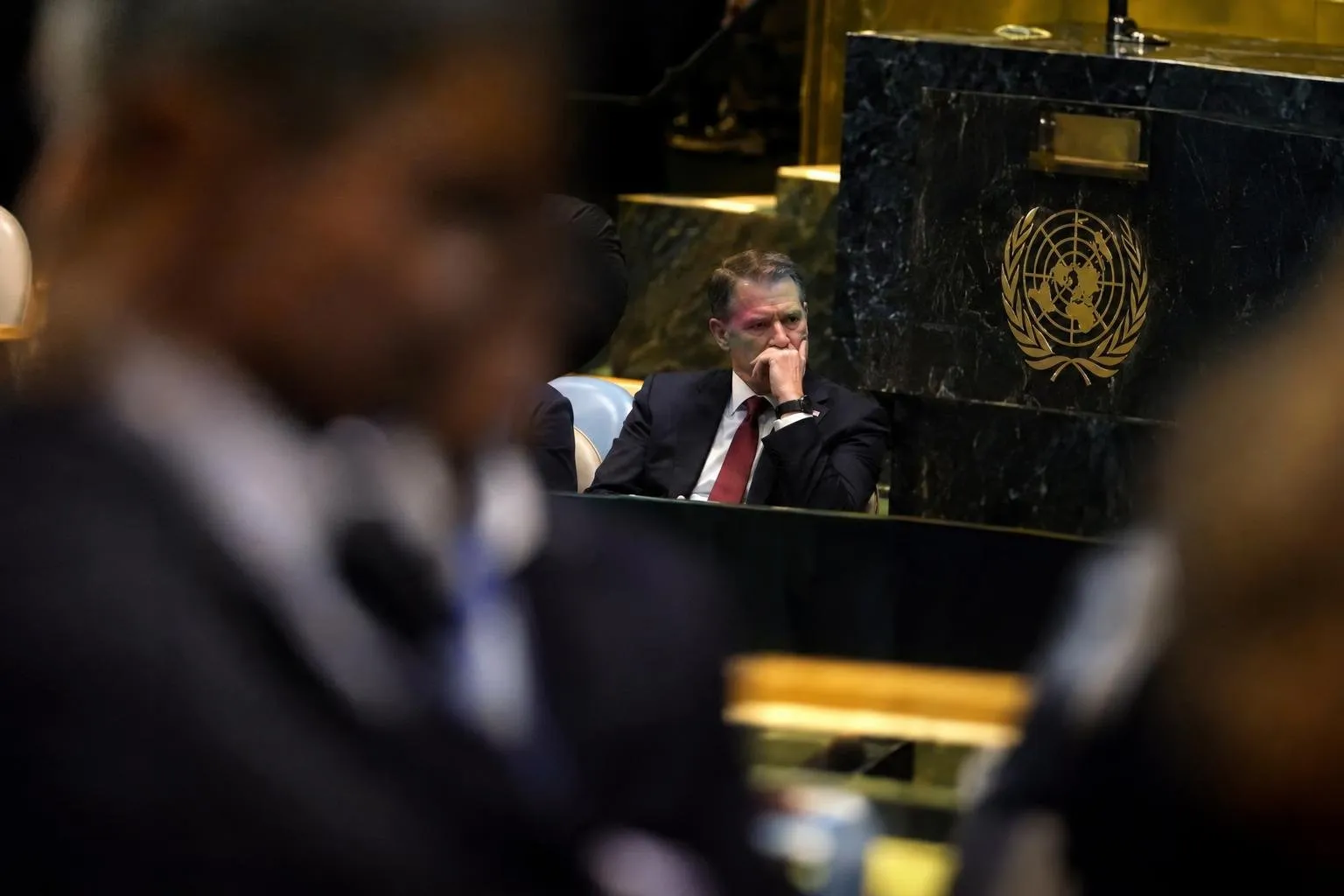
The US maintains that artificial intelligence should not be governed by new global bodies. That is what Michael Kratsios, who heads the White House Office of Science and Technology Policy, told the UN Security Council on September 23, 2026, according to The Next Web.
Kratsios pointed out that President Trump has rejected a global control scheme for superintelligence. The term refers to AI that could one day become smarter than humans.
"The frontier of intelligence is moving quickly. That is not a reason to pause development or to restrict it with new global governance structures," he said. He added: "The representatives of the American people will legislate and regulate on behalf of the American people. You should do the same for your people."
The US points to an alternative
Kratsios noted that the US has worked with leading AI labs to test models and has set up clearinghouses for cybersecurity.
As an alternative to global regulation, he highlighted the so-called Carolina Principles. Under them, countries should retain control over how new technology is regulated. The US proposes that countries share technology and best practices rather than introduce a global regulatory regime.
According to the Malaysian newspaper The Star, the principles were approved on September 2, 2026, at a summit in North Carolina organized by the Trump administration. They call for regulation within individual sectors and for not creating new AI governance bodies.
The Star also reports that all G20 countries supported the principles unanimously, including China and Russia. A formal adoption by the G20 is expected at a summit in Florida in December. That is a plan that could change.
Others want shared rules
When it comes to international rules, opinions in the AI industry are divided. According to The Next Web, Sam Altman, Dario Amodei and Clément Delangue have each called for international standards or disclosure rules. Yoshua Bengio has advocated licensing of advanced AI development. The statements are reported only briefly, without time and place.
Same line as last year
The rejection is not new. According to NBC News, the US also rejected centralized global AI governance at the UN in 2025. At that time, Kratsios said the US totally rejects international centralized control, while the UN launched a global dialogue on AI governance.
For ordinary users, this means that the rules for AI in the coming years will likely continue to be set country by country rather than by a single global body.
Updated 11 October 2026: The article has been rewritten from additional sources.
Updated 15 October 2026: The article has been rewritten from additional sources.
Updated 31 October 2026: The quotes in the Danish edition have been translated into Danish.
Read also


