Alibaba combines image creation and editing in a single AI model
Alibaba's Qwen team has released Qwen-Image-2.1, which can both create and edit images, including with true transparency. The model can be downloaded and run locally, but commercial use requires a separate agreement.
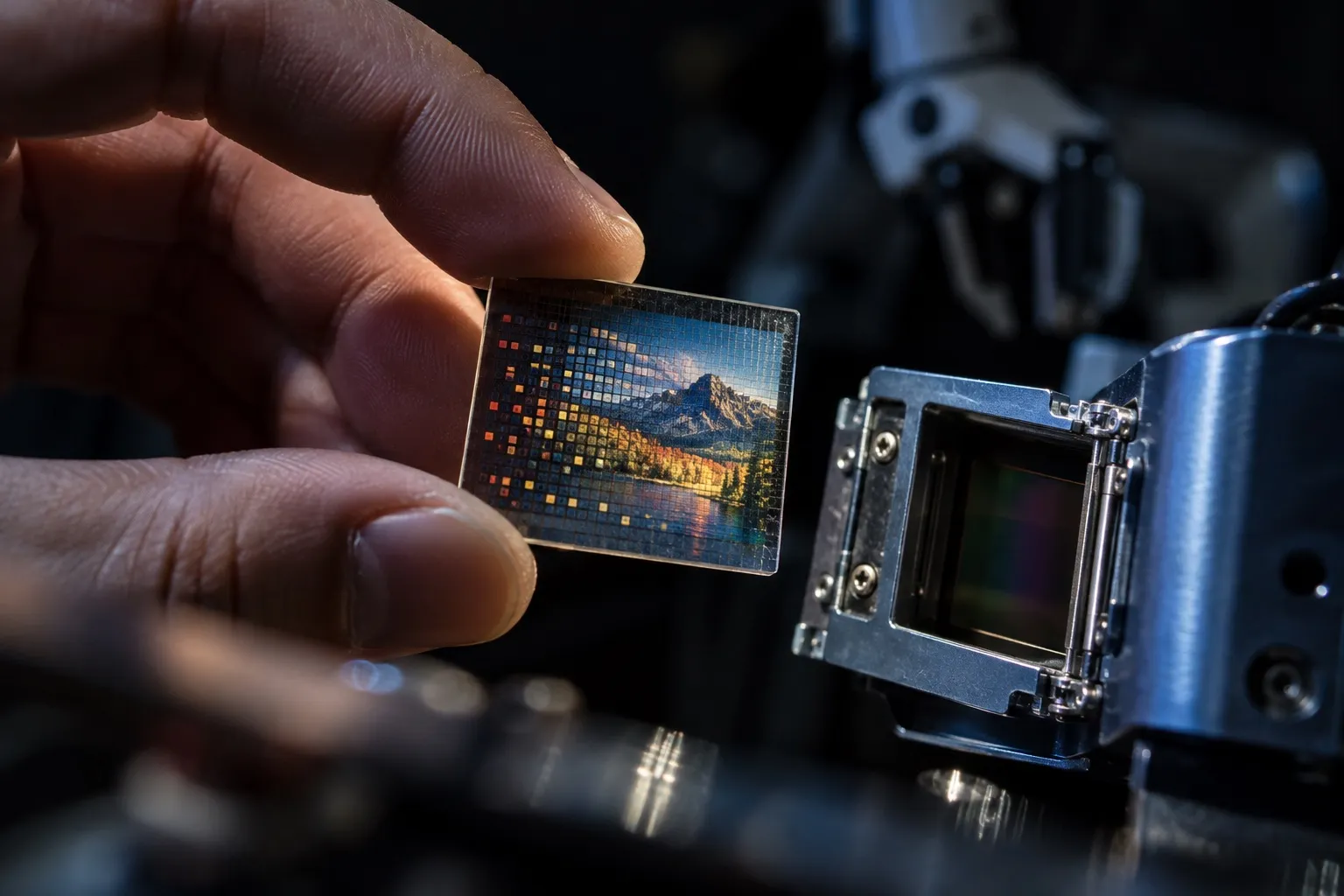
Alibaba's Qwen team has released a new AI image model, Qwen-Image-2.1. According to heise online, it happened on September 20, 2026, while TechNode reports September 21. The model combines two tasks that are often handled separately: generating images from text and editing existing images.
According to the model page on Hugging Face, the part of the model that creates images has 7 billion parameters. Parameters are the settings an AI model has learned during training, and they are often used as a rough measure of a model's size.
What the model can do
The model can produce images with true transparency, known as RGBA, without any post-processing. That is handy if you need to place a logo or a figure without a background on top of something else, for example.
When editing, the model can use up to 10 reference images. It can also modify local areas of an image, where the user marks the spot with circles, annotations or masks. According to TechNode, it also supports 2K resolution and several aspect ratios from 1:1 to 16:9.
The previous model, Qwen-Image 2.0, was released in February 2026. It also had 2K resolution and transparency, but according to TechNode it kept generation and editing separate.
The license is not fully open
The weights, meaning the trained model itself, are available on Hugging Face and ModelScope, and the model can be run locally. The hardware requirements are not stated in the sources.
However, the model is released under the Qwen Research License and not under Apache 2.0, which earlier Qwen models used, heise online writes. It is free for private testing and research. Using it commercially requires a separate agreement with Alibaba. For companies, that means the model cannot simply be built into a product or service.
Alibaba's own comparisons
Alibaba claims that the model outperforms Google's image model Nano Banana 2 in its own tests. The claim has not been independently verified. Heise also notes that it is unclear how the model performs in languages other than Chinese.
Updated 12 October 2026: The article has been rewritten from additional sources.
Read also


