

Politics and regulation·October 2, 2026, 23:12
Musk wins round: Court pauses AI nude image law
AI-generated and checked against the sources listed below.
A US appeals court has temporarily blocked Minnesota's law against AI-generated fake nude images after Elon Musk's AI company xAI complained. The case is about how far authorities can go in regulating AI without violating the US constitutional amendment on freedom of speech.
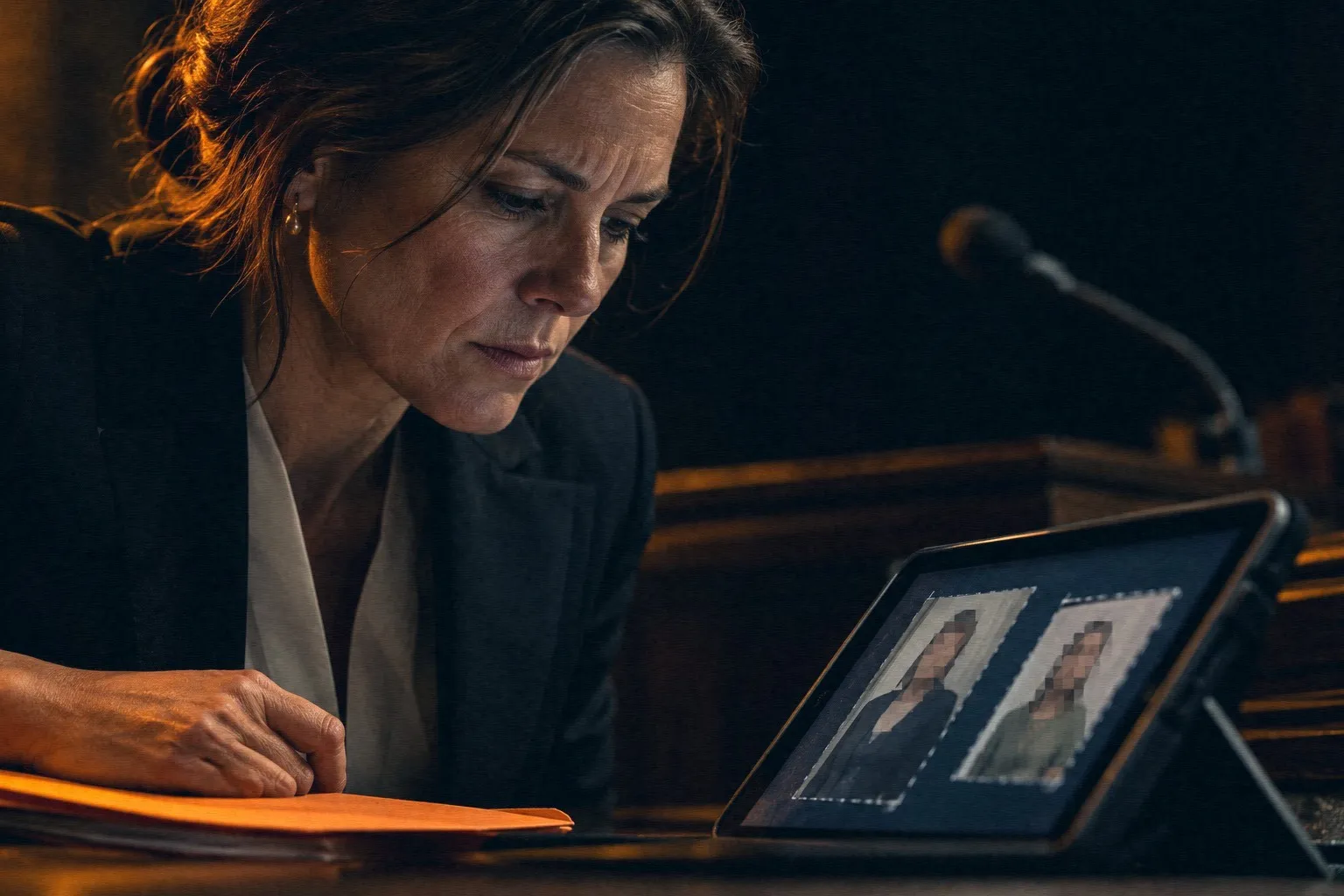
A US appeals court has put Minnesota's ban on AI-generated nude images on hold while a lawsuit from Elon Musk's company xAI proceeds. That's according to several US media outlets, including Reuters.
This summer, Minnesota introduced a law that prohibits companies and developers from letting users create realistic images showing a person's intimate body parts that were not visible in the original photo. This is called "nudification": AI is used to make fake, nude versions of real people without their consent. The law took effect on August 1 and was the first of its kind in the US.
xAI, which is behind the chatbot Grok and its image tool Grok Imagine, sued Minnesota Attorney General Keith Ellison back in July. The company believes the law is too broadly worded and therefore hits legal AI content, which according to xAI violates the US constitutional amendment on freedom of speech (the First Amendment).
From rejection to provisional victory
At first, things did not go xAI's way. In September, a local district court rejected the company's request to halt the law while the case was decided. Among other things, the judge found that xAI had not shown that it suffered immediate harm from the law and that xAI had waited a long time to respond after the law was signed.
xAI therefore appealed to the federal 8th Circuit Court of Appeals in St. Louis. On Friday, the appeals court agreed with xAI that the law should be put on hold while the case on its legality is decided. This means that Minnesota cannot currently enforce the ban on AI nudification.
The decision is not a final ruling on whether the law is unconstitutional, but a temporary order while the lawsuit continues. The case is an example of how difficult it is for US states to legislate against misuse of AI when the rules must at the same time stay within the broad freedom of speech that the US Constitution grants companies and citizens.
Sources
Get the week's AI news in your inbox
Choose your level, topics and length. One email a week, unsubscribe at any time.
Subscribe to Promptly Newsletter