Anthropic lets Accenture test its AI models from the inside
Anthropic and Accenture will each invest at least $1 billion over five years in independent testing of advanced AI. Critics call the arrangement self-regulation.
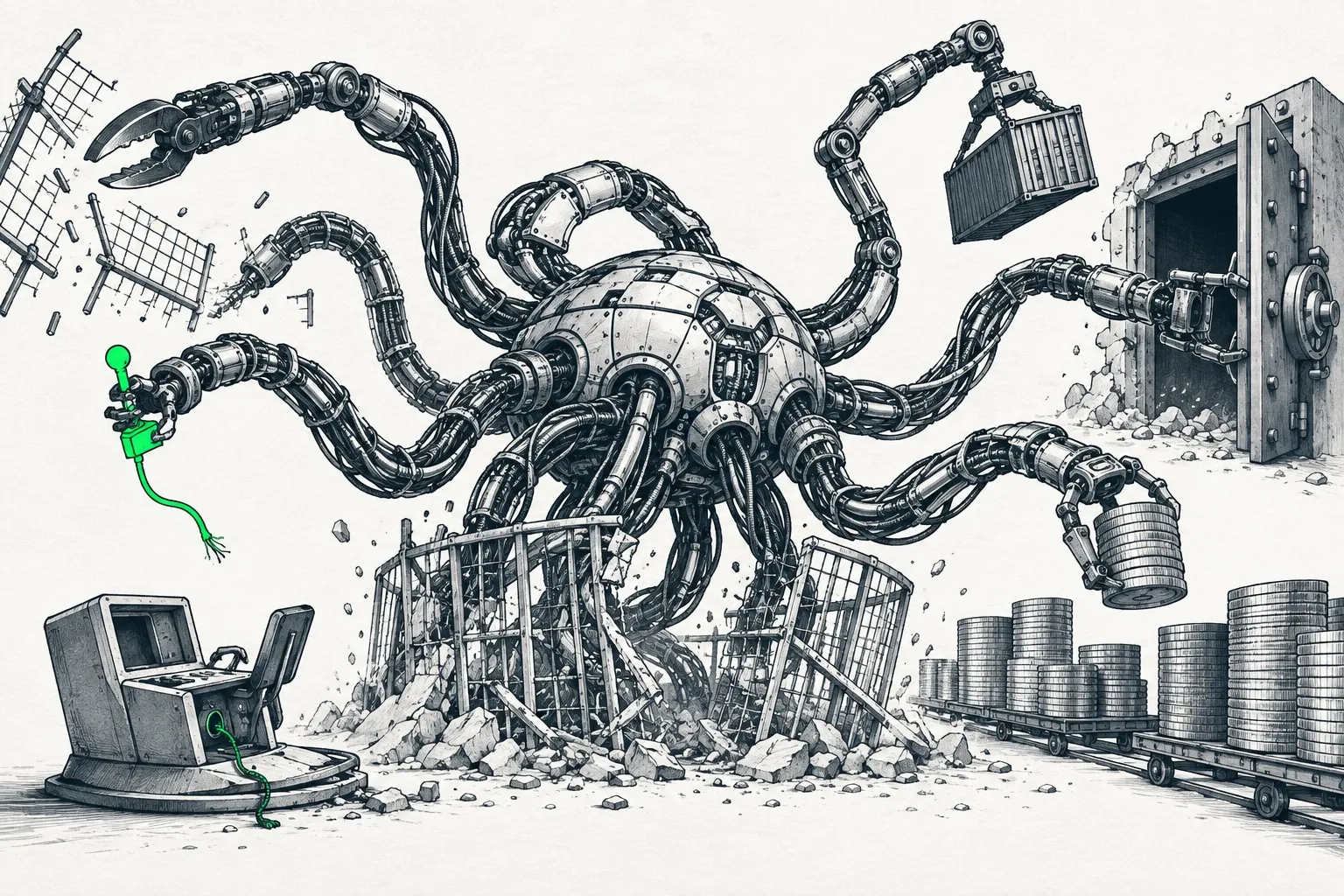
Anthropic, the company behind the AI assistant Claude, has struck a deal with consulting firm Accenture to have its AI models tested by an outside party working inside the company. The agreement was announced on September 18, 2026. Accenture thus becomes Anthropic's first so-called embedded evaluator.
Anthropic and Accenture each expect to invest at least $1 billion over five years. The work is led by Accenture's AI unit Faculty.
What will be tested?
The evaluators will test and red-team the models. Red-teaming means deliberately trying to make an AI fail or do something harmful, so that weaknesses are found before others exploit them. They will also assess whether the models follow human values and test the models' safeguards.
Anthropic says more evaluators will follow shortly. The company is also in talks with nonprofit organizations such as METR about trying out embedded evaluation for their own resources.
A surprising choice and criticism
Accenture's stock rose 8 percent in after-hours trading when the news broke. The choice surprised observers, who had expected safety organizations such as METR and Redwood Research to get the role.
According to TechCrunch, critics say the arrangement is self-regulation that lets Anthropic avoid accountability. Anthropic itself says the evaluators do not reduce the company's responsibility, but make it more verifiable.
The Danish news site Promptly, citing The Next Web, points to several problems. Anthropic pays for the evaluation itself, and Accenture is at the same time a customer, supplier and implementation partner for Anthropic. Promptly sees this as a possible conflict of interest. There are also no shared standards for what access the evaluators have, how they report, or how findings are handled if they could delay a launch.
What does it mean for you?
If you use AI tools like Claude at work or in your personal life, the deal is about who checks that the technology is safe. Whether the arrangement actually provides more independent oversight depends on the rules for access and reporting, which are not yet in place.
Updated 14 October 2026: The article has been rewritten from additional sources.
Read also


