

Business and economy·October 10, 2026, 04:05
MiniMax has lost more than 80 percent as DeepSeek raises billions
AI-generated and checked against the sources listed below.
Publicly listed Chinese AI company MiniMax has lost more than 80 percent of its value since its March peak and is now raising fresh capital. Meanwhile, DeepSeek has closed a large investor round.
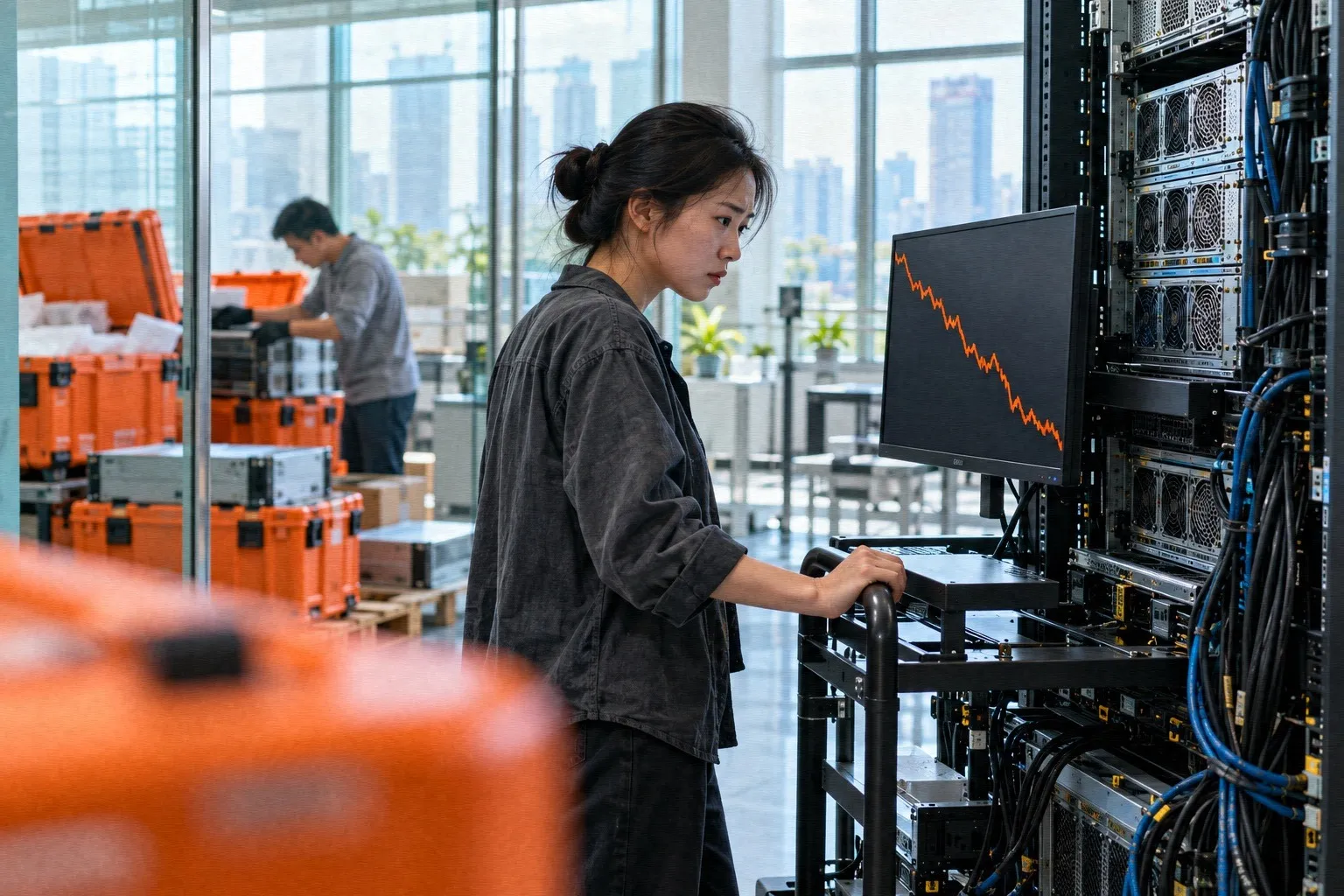
Two of China's best-known AI companies are faring very differently in the capital markets. MiniMax is listed in Hong Kong and has fallen sharply. DeepSeek is not publicly listed, but has raised large sums from private investors.
MiniMax under pressure
According to the sources I have found, MiniMax has lost more than 80 percent of its value since its March peak. The drop is mainly due to growing doubts about whether the company's AI models can keep up with its competitors.
In July, the company announced that it plans to raise HKD 16 billion, about USD 2 billion. The money will come partly from new shares priced at HKD 268 apiece, and partly from convertible bonds. These are loans that can later turn into shares.
The stock fell 18 percent on July 9, when a lock-up period expired. A lock-up means that large early investors are barred from selling for a set period. The next day it fell another 9.8 percent. The market also feared that new shares would dilute existing shareholders' stakes.
CEO Yan Junjie pledged, among other things, to set aside 4 percent of his own stake for employee bonuses over four years and 1 percent for the open-source community. He also will not take a salary until the company reaches AGI, meaning human-level AI. About 80 percent of the money is to go to AI infrastructure and research.
DeepSeek raises money
In May, DeepSeek completed its first external funding round. According to 36Kr, it was worth about USD 7 billion and valued the company at roughly USD 52 billion after the investment. Founder Liang Wenfeng put in about CNY 20 billion himself. The investors included Tencent, CATL, JD.com and NetEase, as well as a state-backed AI investment fund.
According to the same source, talks were held in June about another round at a pre-investment valuation of USD 71 billion. The money is to go toward its own data centers, purchases of AI chips and more hires.
What does it mean?
I have not been able to confirm the figure of CNY 100 billion cited in the headline. The sources I found instead mention roughly CNY 50 billion in the first round.
History shows that AI companies require enormous sums for chips and data centers. Investors punish them harshly if they appear to be falling behind. That also applies to Danish companies choosing an AI provider. Even big names can come under pressure.
Sources

Get the week's AI news in your inbox
Choose your level, topics and length. One email a week, unsubscribe at any time.
Subscribe to Promptly Newsletter