

Ethics and safety·September 13, 2023, 21:48
Open source AI misused for child sexual abuse images
AI-generated and checked against the sources listed below.
The British organization IWF reports a record number of AI-generated images and videos of child sexual abuse. Offenders share open AI models and guides in closed forums.
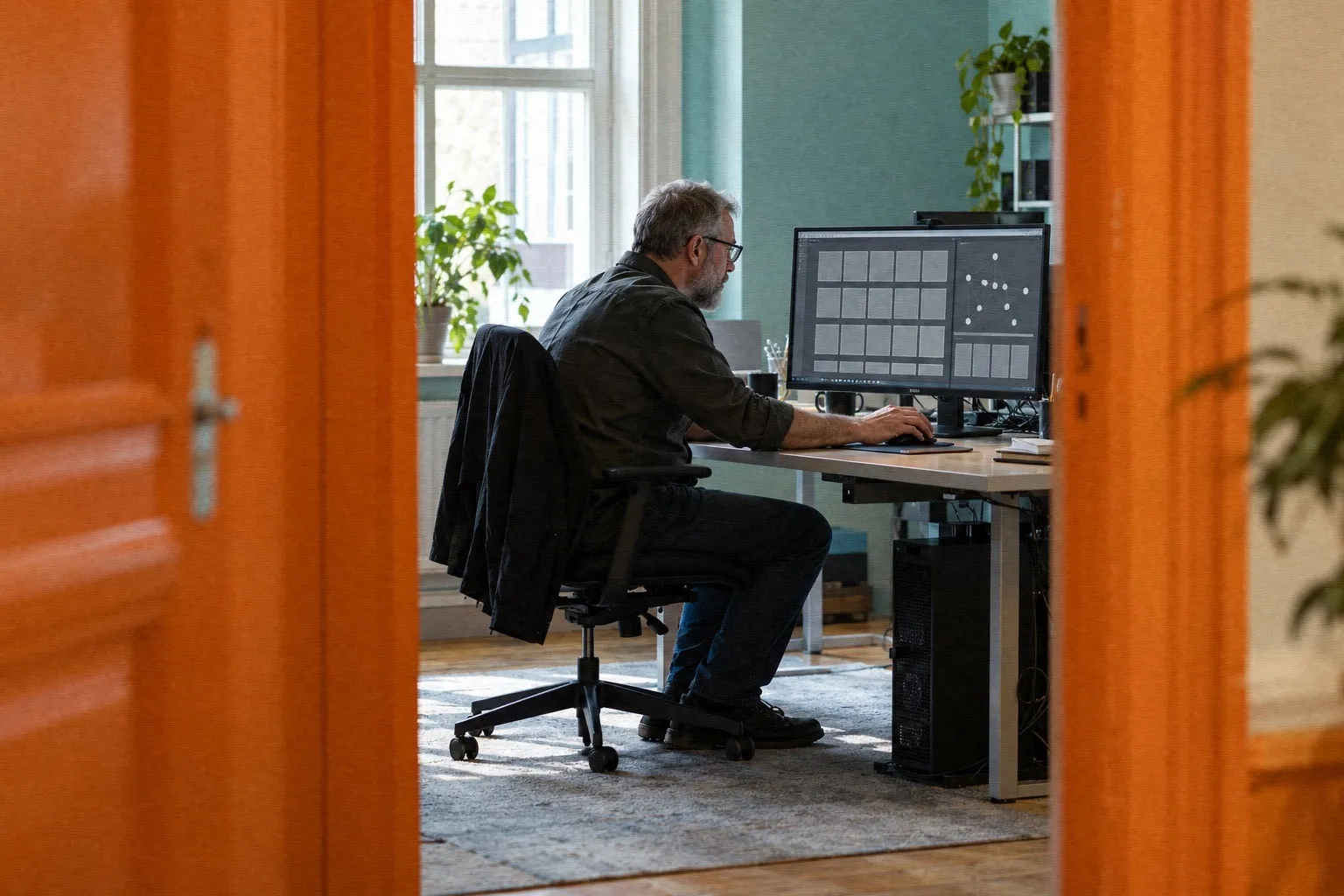
The British internet watchdog Internet Watch Foundation (IWF) warns that AI-generated child sexual abuse material is at a record high. That is according to a report from March 24, 2026.
The IWF found 8,029 AI-generated images and videos realistically depicting child sexual abuse. That is 14 percent more than the year before. The most striking increase is in video: the IWF identified 3,443 AI videos in 2025 versus 13 the year before. That equals an increase of more than 26,000 percent.
Why open source models?
Open source means that an AI model is freely available, so anyone can download it and run it on their own computer. That is normally a strength, because researchers and small companies can use the models. But it also creates a problem.
If the model runs on a private computer, there are no company filters or controls that can stop or detect misuse. The IWF describes how offenders on dark forums discuss the technology and share images, models, guides and tips.
It is made easier by the fact that a model can be fine-tuned with a technique called LoRA. According to coverage of the report, realistic fake images of a specific child can be made with just 20 to 30 images, and the training can take less than a quarter of an hour.
Not a victimless problem
The IWF rejects the idea that AI-generated material is a victimless crime. The organization points out that the models can learn from existing abuse images, so the real victims are violated again and again.
What could happen?
The IWF calls for proper oversight of AI models before they come to market or are released as open source. The problem may therefore affect upcoming AI regulation, where the question is how far developers should be held responsible for misuse of models they have released freely.
For ordinary parents, the message is that the issue also concerns children's images online. Images shared openly can in principle be used to make fake images. So consider what you share publicly. Suspicious material can be reported to Red Barnet's (Save the Children Denmark's) hotline.
Sources

Get the week's AI news in your inbox
Choose your level, topics and length. One email a week, unsubscribe at any time.
Subscribe to Promptly Newsletter