

Updates·October 5, 2026, 21:42
OpenAI introduces invisible signature in ChatGPT text to comply with EU rules
AI-generated and checked against the sources listed below.
OpenAI is launching watermarks in AI-generated text to meet the requirements of the EU's AI Act. For ordinary users, it hardly changes anything in everyday life right now.
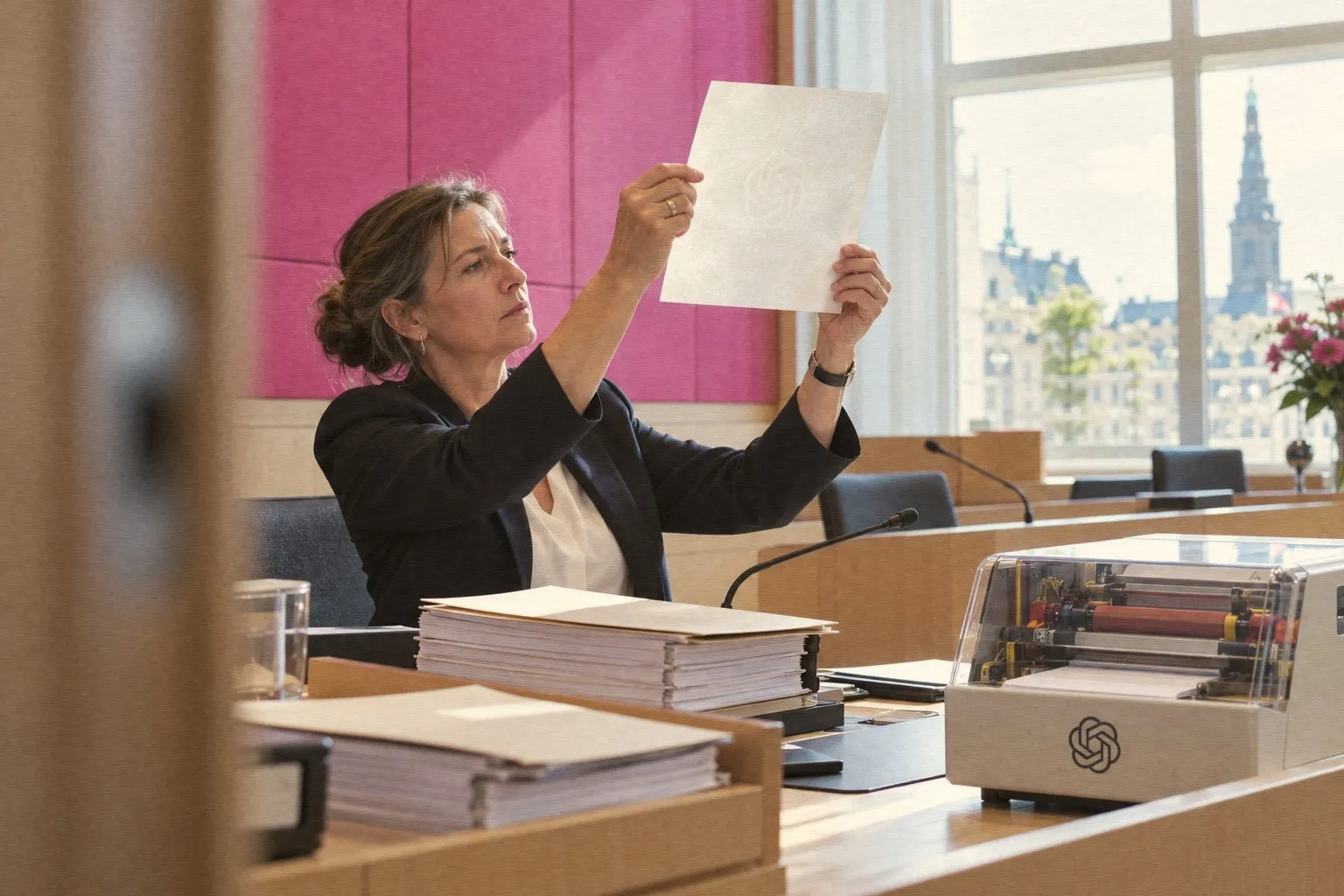
OpenAI is launching text watermarks, a form of hidden labeling of text written by AI. The purpose is to meet the requirements of the EU's AI Act, according to PYMNTS.com.
In practice, this means that text from OpenAI's tools may be labeled in a way that makes it possible to reveal later that an AI helped write it.
For private users, it is generally not something you need to do anything about. If you just need help with an email, an invitation or a vacation plan, you can safely carry on as before.
For companies, it is worth keeping an eye on. If you use AI for customer emails, product copy or newsletters, it may in the future become possible to see that the text is AI-assisted. That is not necessarily a problem, but it is good to know.
Rule of thumb: Spend 5 minutes in the near future clarifying whether you have a position on using AI text externally. If AI is a small part of your work, you can safely wait and see how the labeling works in practice.
What it means for you
If you use ChatGPT for emails, invitations or vacation plans, you do not need to do anything now. If you work at a company that uses AI for customer emails, product copy or newsletters, others may in the future be able to see that the text was written with AI help. Spend five minutes talking with your colleagues about whether you want to be open about using AI in texts that go out to customers.
Source



Get the week's AI news in your inbox
Choose your level, topics and length. One email a week, unsubscribe at any time.
Subscribe to Promptly Newsletter