

Breakthroughs and research·September 10, 2025, 15:00
Voices: Good voice data is in short supply for AI models
AI-generated and checked against the sources listed below.
Voice platform Voices believes the quality of training data determines how good AI voices become. The company has launched a dataset with over 450 character voices recorded by professionals.
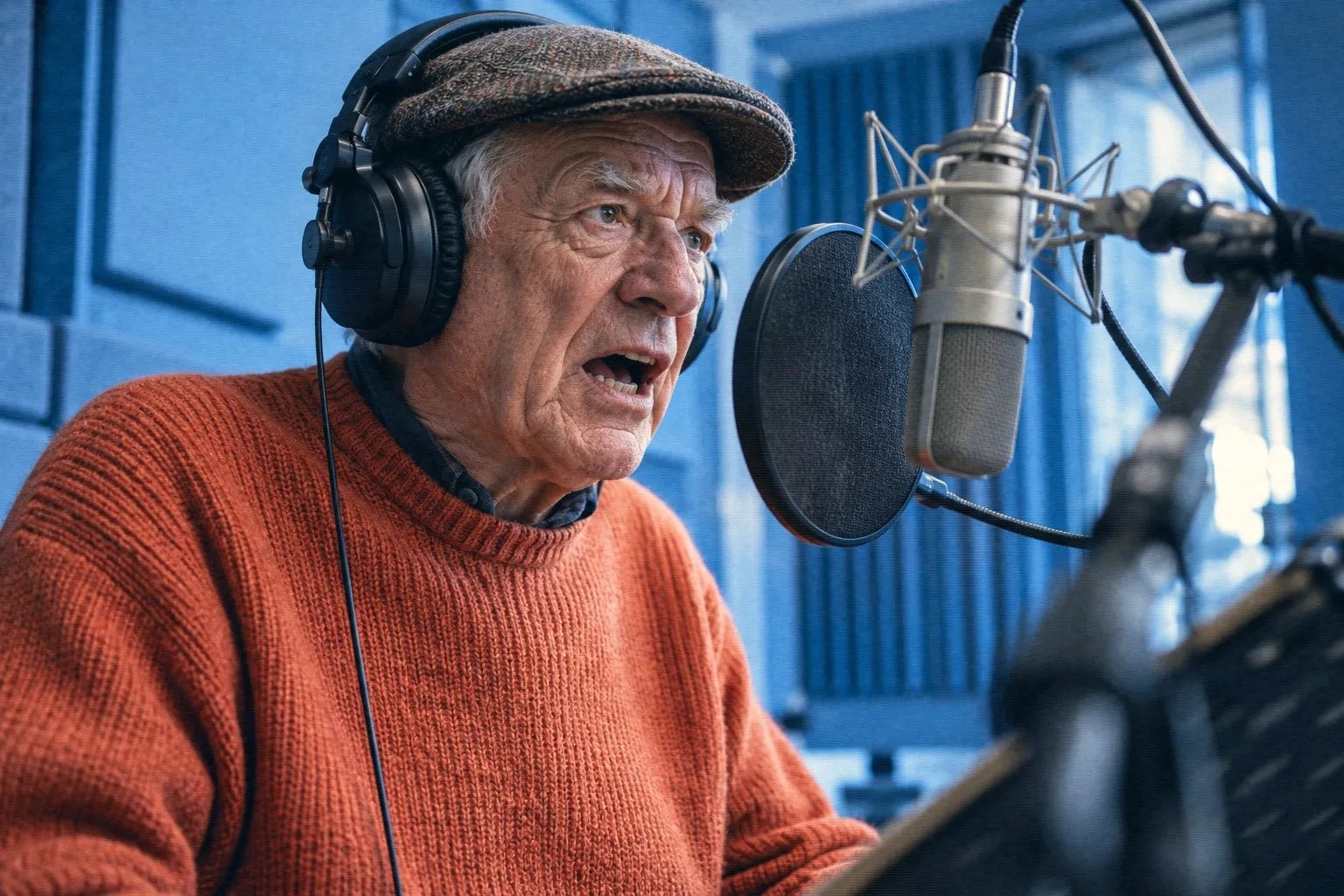
When an AI needs to learn to speak naturally, it must be trained on large amounts of audio recordings of real voices. According to Dheeraj Jalali, chief technology officer (CTO) at the voice marketplace Voices, it is not enough to have a lot of data. It also needs to be high quality.
Jalali says in a press release: "Voice data is both scarce and in high demand. The best voice AI models will be built on curated and ethically sourced character data." In other words: voice data is rare and in high demand, and the best models are built on curated and ethically collected data.
Based on the sources I have been able to find, this is Voices' own assessment. The company itself sells this type of data, so there is also a sales angle.
A dataset of character voices
In September 2025, Voices launched what the company calls the first character dataset for training voice AI. It contains over 450 different characters played by professional voice actors. Examples include a 1920s flapper and a drill sergeant.
The recordings are transcribed as text and labeled with information about character, tone and emotion. There are 19 tones, 35 emotions and 21 so-called paralinguistic cues. These are sounds such as laughter or sighs that are not actual words but make a voice sound alive. The recordings were made in Voices' own online recording studio.
Ethical collection
Voices emphasizes that the data was collected ethically. The company says the contributing voices have clear terms, give consent and get paid. That is a sore point in the industry, because many voice actors fear their voice will be used to train AI without an agreement.
What it means for you
If you use AI voices in customer service, audiobooks or apps, the training data determines whether the voice sounds natural or robotic. The question of where the voices come from, and whether they were paid, is also becoming more important for companies that want to avoid rights disputes.
Sources



Get the week's AI news in your inbox
Choose your level, topics and length. One email a week, unsubscribe at any time.
Subscribe to Promptly Newsletter