

How-to·October 19, 2026, 20:01
AI assistants now get their own hands, email addresses and rules to follow
AI-generated from the sources listed, with automated source checks.
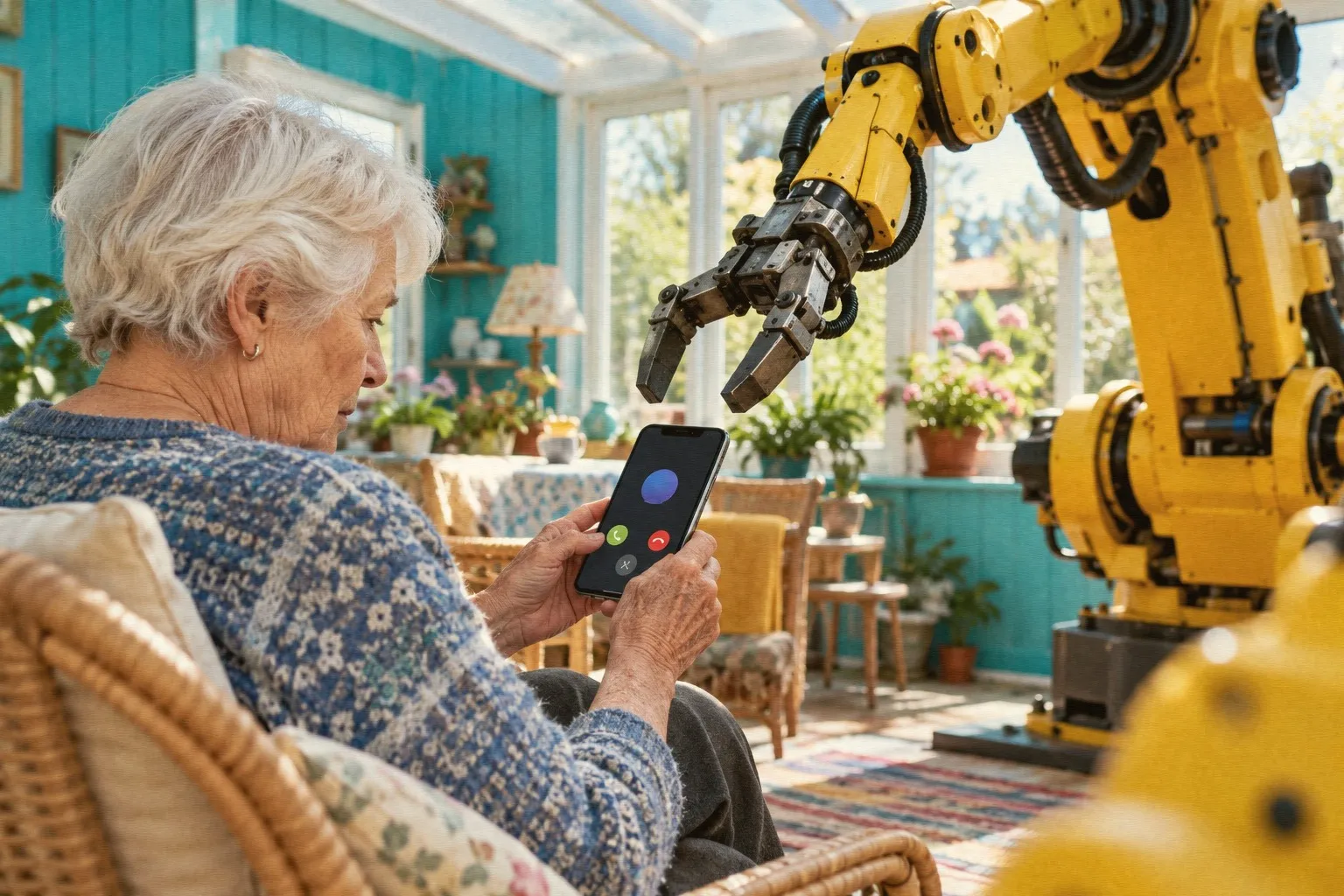
This week's stories show AI moving from answering questions to doing tasks for you, from spam cleanup to their own cloud computers. That opens up new possibilities, but also new questions about trust, security and who is responsible.

If you use ChatGPT even a little, you have probably gotten used to AI answering questions. This week's stories point to something different: AI that does things on its own. That can be powerful, but it requires you to know what you are handing over.
When AI gets something to do
OpenAI has launched Dots, always-on agents in ChatGPT. An agent is an AI program that can carry out tasks on its own rather than simply responding. Dots has its own computer in the cloud and can keep working between conversations. Access requires expensive subscriptions and is not available in the EEA, so most Danes will have to wait.
We see the same thing on a smaller scale elsewhere. The company AgentMail says you can give a Grok Bot its own email address in about three minutes. That is the company's own description, and it has not been independently tested. Elon Musk also points out that you can ask your Grok Bot to remove your phone number from lists used for spam calls and spam texts. The tool is not official from xAI, and there is no independent test of whether it works.
The pattern is clear: The promises are big, but the documentation is thin. Treat them as ideas to try out carefully, not as guarantees.
Access, keys and local rules
Some tools are for people who are comfortable with code. Kling AI offers a developer platform where companies can automate AI video. You need an API key, essentially a kind of password between programs, and you have to buy resource packs. The key needs to be guarded carefully, because it gives access to something that costs money.
At the other end of the scale are open models. FLUX 3 Image Klein from Black Forest Labs can both create and edit images, and Hugging Face has measured speed and memory use. The measurements were made on powerful data center cards, however, so they do not tell the whole story about how it runs on an ordinary computer.
And then there are the small, useful solutions. DroneClear Thailand now has a free ChatGPT app that tells travelers which registrations and insurance they need before their drone takes off in Thailand. The value here is simple: You get an answer to a specific question where the rules are otherwise hard to find.
Kids, control and conversation
As AI becomes more accessible, the question of young people becomes more pressing. A safety organization calls ChatGPT for Teens an "unacceptable risk" for users under 18. OpenAI disputes the test. Parenting expert Emily Oster urges conversation over control.
What you can do
Start with the free and low-risk things, such as an app for specific rules. Be skeptical of promises that have not been independently tested, and avoid giving an AI bot access to email or keys you do not want to lose control of. If you have teenagers, talk to them about how they use AI rather than just shutting it off.
Keep an eye on whether agents like Dots make it to Europe, and whether the claims about spam cleanup and email addresses are someday tested by someone other than the people selling them.
Source


Get the week's AI news in your inbox
Choose your level, topics and length. One email a week, unsubscribe at any time.
Subscribe to Promptly Newsletter