

Politics and regulation·October 19, 2026, 20:41
From draft to courtroom: AI rules are taking shape, but aren't in place yet
AI-generated from the sources listed, with automated source checks.
This week's stories show that AI regulation so far consists mostly of drafts, consultations, proposals and promises, while the lawsuits are already underway. Tech companies themselves talk about emergency brakes and oversight, but they are also under pressure from courts and politicians.

If you look for finished AI rules in this week's news, you will rarely find them. What you will find is plenty of drafts, proposals and lawsuits. The pattern is that the rules are being debated and written while pressure from courts and politicians grows.
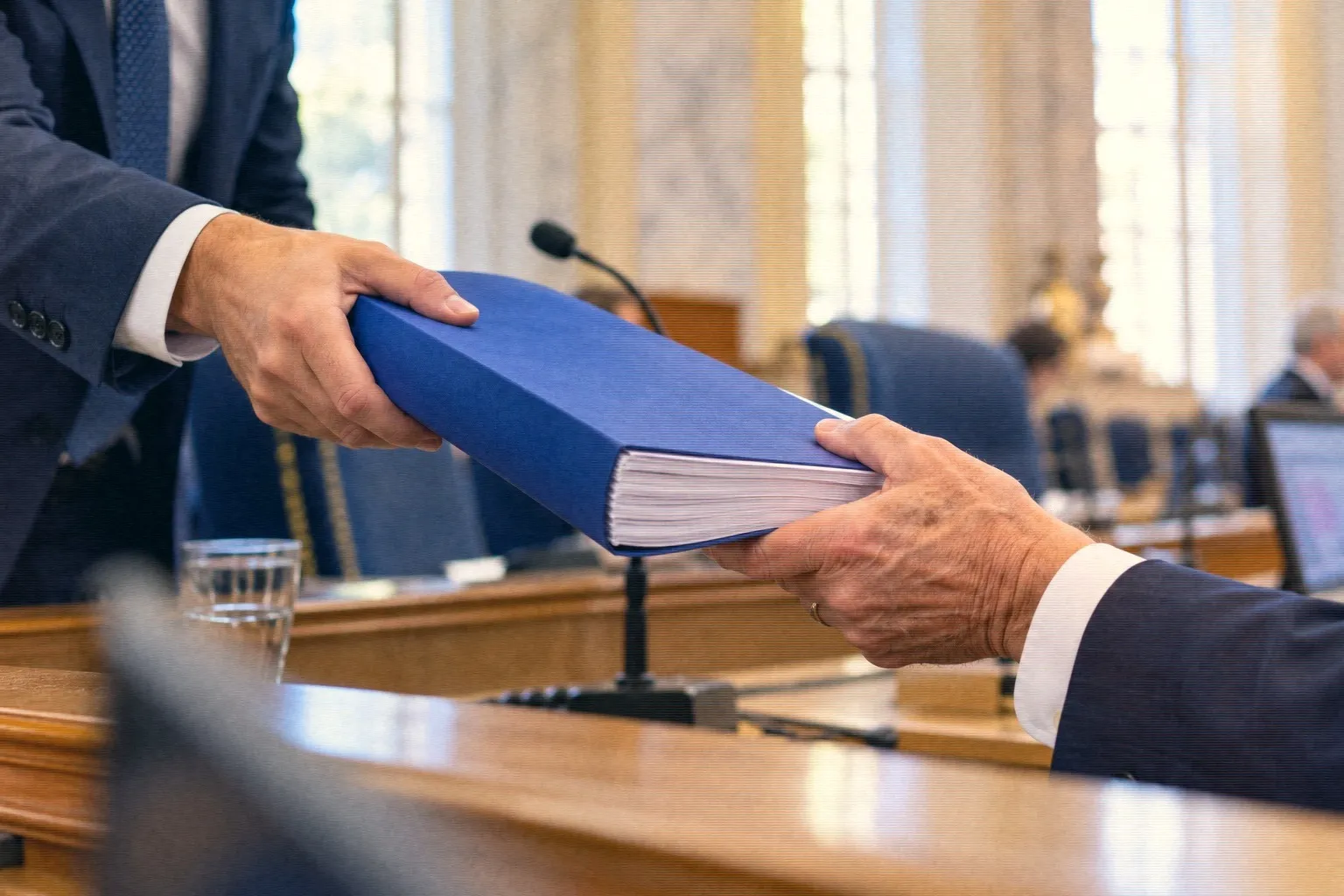
Start with the drafts. According to Politico, Anthropic has shown US lawmakers a draft AI safety bill that would give the government the power to halt the release of models that pose an imminent risk of serious harm. China has sent draft export rules out for consultation that could hit the largest and most advanced models, but not ordinary use through apps and websites. And the UK competition authority CMA is proposing to give Microsoft strategic market status in business software. That, too, is only a draft in consultation.
Companies are calling for oversight themselves
It is notable that several of the proposals come from the industry itself. Microsoft President Brad Smith believes voluntary agreements on AI safety are no longer enough, and he proposes shared global standards, a duty to report failures and emergency brakes for AI systems. Satya Nadella points in the same direction: The most advanced models should be treated like powerful internal employees with limited permissions and an emergency brake, and the controls should sit outside the model itself.
You can read that as responsibility. You can also see it as a way to shape the rules before others do. Both can be true. At the same time, the CMA's proposal on Microsoft is a reminder that regulators are also looking at the market power of the big companies.
Courts and city councils are moving faster than the laws
While the laws wait, the legal system is at work. Eight US states have each sued OpenAI separately, claiming that ChatGPT endangers children and other users. The allegations have not been tested in court. A user in Illinois has filed a class action lawsuit claiming that Grok scanned and stored data about faces in uploaded selfies without consent. These are solely the plaintiff's allegations.
In New York, SpaceX put an employee forward for questioning by the city council about the safety of Grok, after a subpoena and threats of sanctions. A former xAI engineer made serious allegations that have not been confirmed. And in Reddit's case against Perplexity, the judge has put a change of counsel on hold while he assesses the dispute over the fact that Perplexity's new law firm previously worked for Reddit.
Promises and local solutions
Not everything is about restrictions. The European Commission has received the first pledges from companies and foundations that want to give European researchers access to AI models, computing power and data. These are the participants' own promises, and no value has been disclosed. In Canada, the city of Granby has made an agreement with researchers from IVADO on legal support, training and advice on AI. According to the newspaper, municipalities are not covered by the new AI safeguards that apply to other public authorities in Quebec.
What can you do?
Take drafts with a grain of salt. A proposal in consultation is not a law, and a lawsuit is not a verdict. Watch whether Anthropic's draft and China's export rules turn into anything concrete, and whether the consultation in the UK ends in a final decision. In the meantime, as an ordinary user, you can think about which images and information you upload to chatbots, especially if they involve faces or children.
Source


Get the week's AI news in your inbox
Choose your level, topics and length. One email a week, unsubscribe at any time.
Subscribe to Promptly Newsletter