

Ethics and safety·September 19, 2026, 02:42
Microsoft's own people call AI training "theft"
AI-generated and checked against the sources listed below.
A new newspaper has sued OpenAI and Microsoft for using its articles to train artificial intelligence without permission. At the same time, internal emails show that the companies' own employees have themselves called the practice theft.
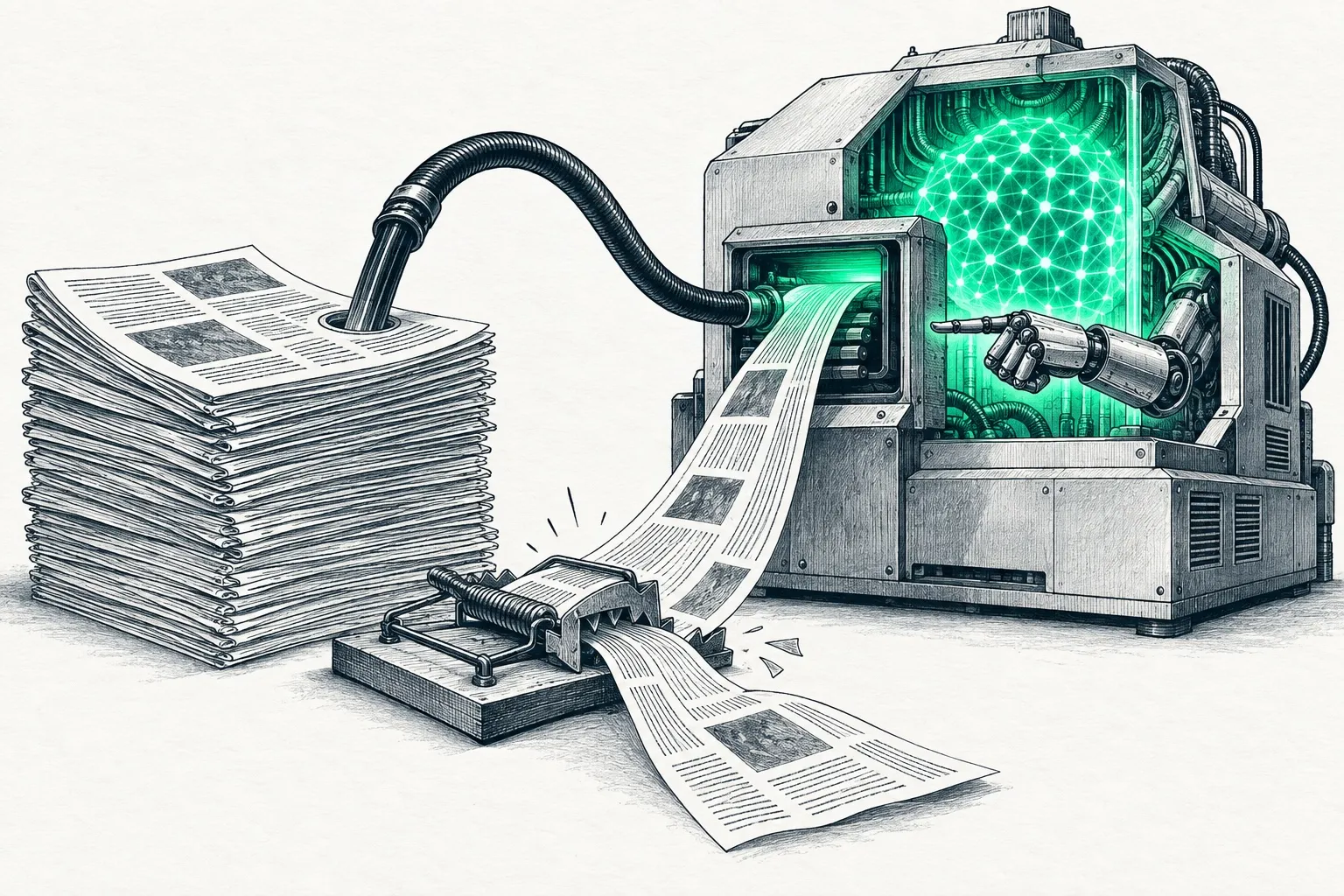
Yet another newspaper has filed a lawsuit against the tech giants OpenAI and Microsoft. Last week, Times Publishing Company sued the two companies in a US court in New York for using the newspaper's articles to train artificial intelligence (meaning computer programs that can write and respond like humans, for example ChatGPT) without permission.
It's far from the first time. According to a US tracker of lawsuits against AI companies, the case is the 143rd of its kind at home and abroad. The New York Times was one of the first to sue OpenAI and Microsoft back in 2023, and since then several newspaper groups have joined in, including the Seattle Times and Newsday. Several of the cases are now being handled together by the same judge in New York.
Internal emails cause a stir
What makes the cases interesting right now is what has come out during the litigation. Internal emails and testimony from the companies' own employees cast doubt on the explanation OpenAI and Microsoft have otherwise used in their defense: that it is legal to train artificial intelligence on other people's texts because it falls under an exception in US law called fair use.
According to the documents filed, a Microsoft executive, Brent Hecht, has himself called the practice "an astonishing theft of unprecedented proportions" and "the largest theft of labor in human history." He warned internally that if the companies won the cases on fair use, it would make a mockery of the whole principle.
Critical statements have also emerged at OpenAI. Nick Turley, who heads ChatGPT, wrote according to the documents that the company's products "largely replace" the content they are trained on. Microsoft CEO Satya Nadella has also testified under oath that conversations with a chatbot have replaced visits to the original news sites.
The newspapers' lawyers also point out that, according to the case files, OpenAI has circumvented paywalls and ignored terms of use, and that clicks to the original articles have fallen sharply when content has appeared in AI systems.
What it means for Danish media
For ordinary Danes, the case isn't just about US law. The outcome could affect how future AI tools are trained, and whether the companies and media whose texts are used to teach the machines get anything in return. If the fair use defense falls, it could also open the door to similar claims from European and Danish media, whose content may likewise have been used in training popular AI services.
Sources


Get the week's AI news in your inbox
Choose your level, topics and length. One email a week, unsubscribe at any time.
Subscribe to Promptly Newsletter