

Politics and regulation·September 17, 2026, 12:32
More adults use AI daily, New York hits the brakes in schools
AI-generated and checked against the sources listed below.
A new US survey shows that one in four adults now uses AI daily, and many let AI agents act without asking first. At the same time, New York City is banning AI chatbots for the youngest school students.
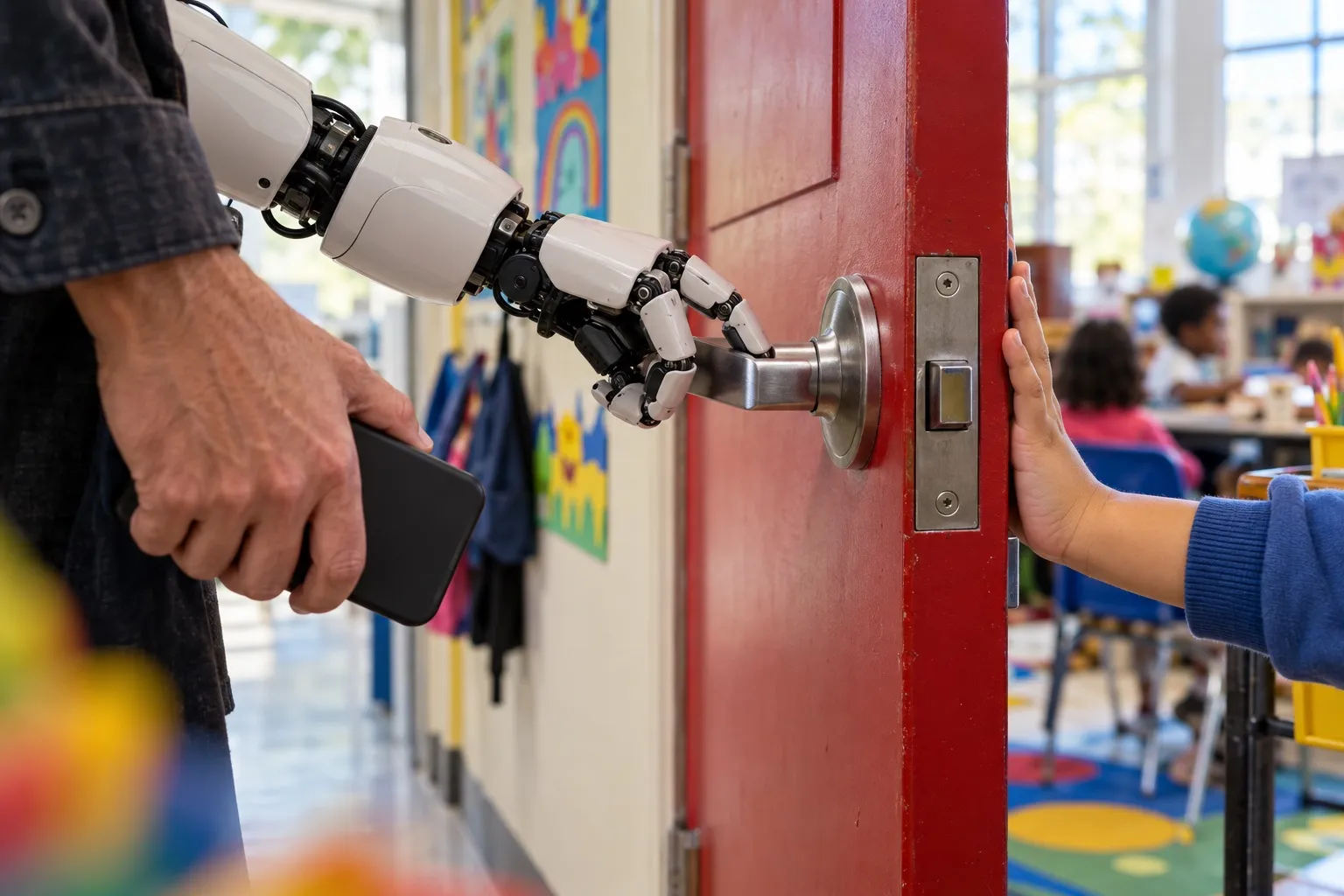
Two new stories from the US show how differently AI is being received right now. Adults are using the technology more and more in everyday life, while the school system in the country's largest city is far more cautious with the youngest students.
According to a survey from the investment firm Menlo Ventures, 25 percent of US adults now use AI every day, up from 19 percent the year before. Among those who already use AI, as many as 39 percent use a tool daily. The survey is based on responses from 5,067 US adults, collected in July 2026.
One of the most striking figures concerns so-called AI agents, meaning AI systems that carry out tasks for the user on their own without the user having to steer each step. 32 percent of those who use AI have let an agent act on their behalf without first approving the result. 41 percent have tried agents, and 24 percent use them regularly. According to Menlo Ventures, total spending on AI products for ordinary consumers has tripled in a year, from about $12 billion to $40 billion. The share who pay for at least one AI product has risen from 3 to 55 percent.
AI use rises among adults
At the same time, New York City is going the opposite way in its schools. The city's school system, the largest in the US, has introduced a one-year ban on generative AI (meaning AI tools that can create text, images or answers on their own) aimed at students from kindergarten through 8th grade. Chatbots that provide emotional or social support are banned at all grade levels, including high schools.
At the high schools, the rules are less rigid. About 50,000 students, equivalent to 5 percent of all students, get access to five selected pilot programs used in subjects such as English, math and interdisciplinary courses. All high school students must also receive instruction in critical understanding of AI twice a year. In total, the new rules affect about 600,000 students, almost two-thirds of the entire school system.
The rules also set concrete limits on screen time: no personal devices for the youngest students, 30 minutes a day for grades 3 to 5 and 45 minutes for middle school. Teachers may use approved AI tools to plan lessons, translate and write messages, but not to grade students, monitor behavior or create plans for special education.
Ban sparked political opposition
The decision comes after a turbulent process. An earlier proposal from March met strong opposition, including from more than half of the city council members, who asked for a pause out of concern for students' learning and well-being. The schools chancellor has since acknowledged that the original proposal missed the mark.
For Danish users and companies, the two stories point to where the AI debate is heading: rising use of and trust in automation in everyday life on the one hand, and growing concern about the effect on children's and young people's learning on the other. It is likely that more school systems outside the US will look at New York's model, while companies at the same time push to use more AI agents in working life.
Sources

Get the week's AI news in your inbox
Choose your level, topics and length. One email a week, unsubscribe at any time.
Subscribe to Promptly Newsletter