

Business and economy·April 16, 2026, 18:00
Report: Robot AI is far ahead, but few use it at scale
AI-generated and checked against the sources listed below.
A new Capgemini report shows that most companies are working with physical AI, but only 4 percent use it fully. Many expect broad adoption within five years.
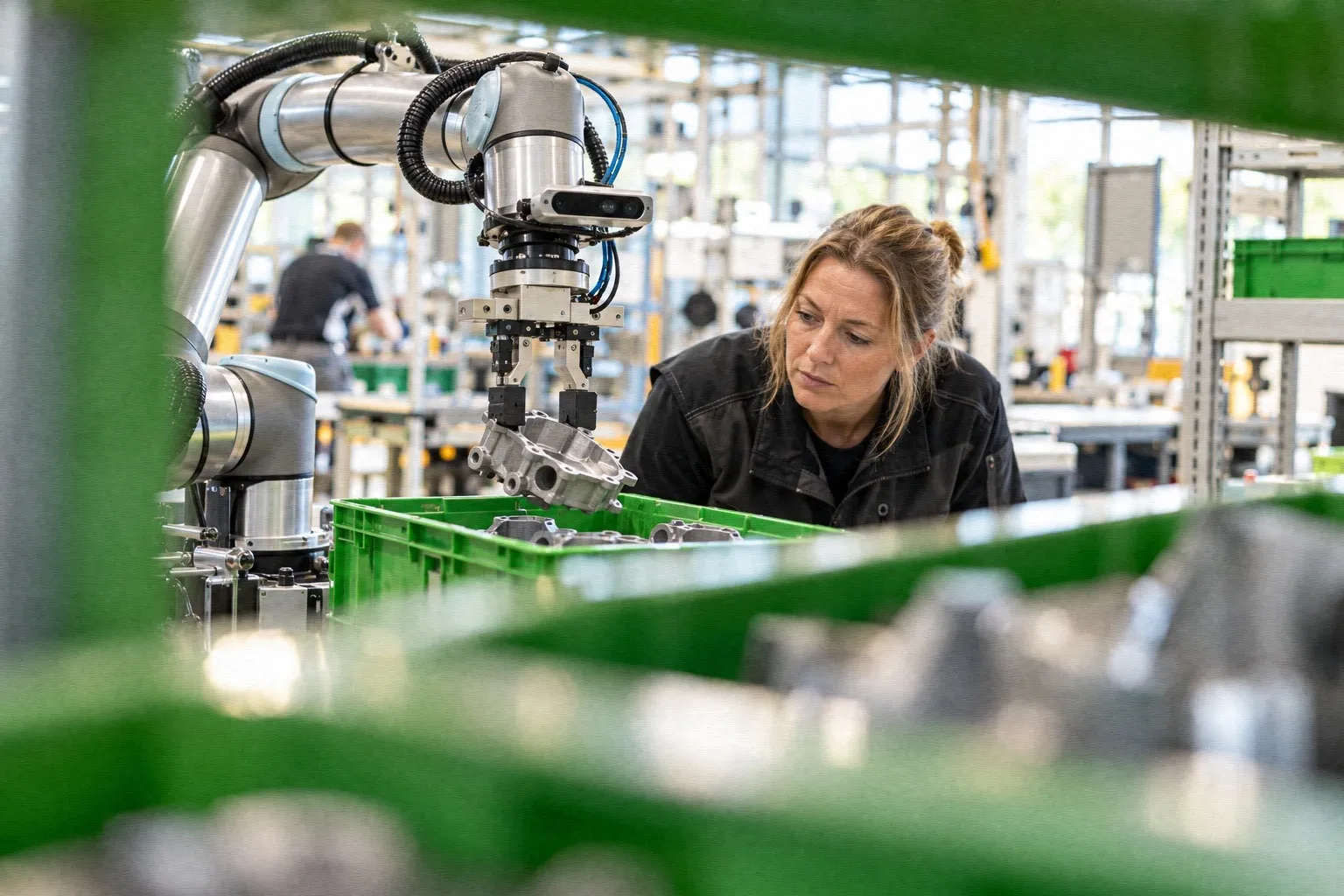
The technology behind so-called physical AI is developing faster than companies can adopt it. That is the main message of a report from the Capgemini Research Institute.
Physical AI means artificial intelligence that does not just exist on a screen but controls something physical. That can be robots in a warehouse, self-driving machines or equipment in a factory. Capgemini has a quote that captures it well: physical AI is "a shift from systems that describe the world to systems that can act in it".
Many are trying, few use it fully
According to the sources I have found, the report is based on a survey of 1,678 executives in 16 countries. About 80 percent are already working with physical AI in some form, for example with tests or small pilots. But only 4 percent use the technology at full scale.
In other words, there is great interest, but far from everyone has made it a fixed part of daily operations.
Why is it not going faster?
Capgemini points to several obstacles:
- The technology is not mature enough for all tasks, especially humanoid robots, meaning robots shaped like humans. - It is expensive, and training the systems is complex. - It is unclear how quickly the investment pays off. - Employees need retraining. - The public is skeptical, especially in Europe.
At the same time, some of the obstacles are shrinking. Better AI models, simulation tools that make training faster, falling hardware prices and more computing power directly in the equipment are helping.
What does it mean for you?
Most executives expect physical AI to become widespread within about five years, and many see it as a priority in their automation over the next three to five years. For ordinary employees, it means more robots and smart machines will probably appear in workplaces such as factories and warehouses, but gradually and not overnight.
Capgemini stresses that safety, transparency and human oversight must be built in from the start.
Note: I could not open the original article behind the headline. The text is therefore based on coverage of the Capgemini report, which matches the story's message.
Sources


Get the week's AI news in your inbox
Choose your level, topics and length. One email a week, unsubscribe at any time.
Subscribe to Promptly Newsletter