

How-to·October 11, 2026, 12:07
Teen ChatGPT draws harsh criticism as parenting expert urges conversation
AI-generated from the sources listed, with automated source checks.
A safety organization calls ChatGPT for Teens an "unacceptable risk" for users under 18. OpenAI disputes the test, and parenting expert Emily Oster urges conversation over control.
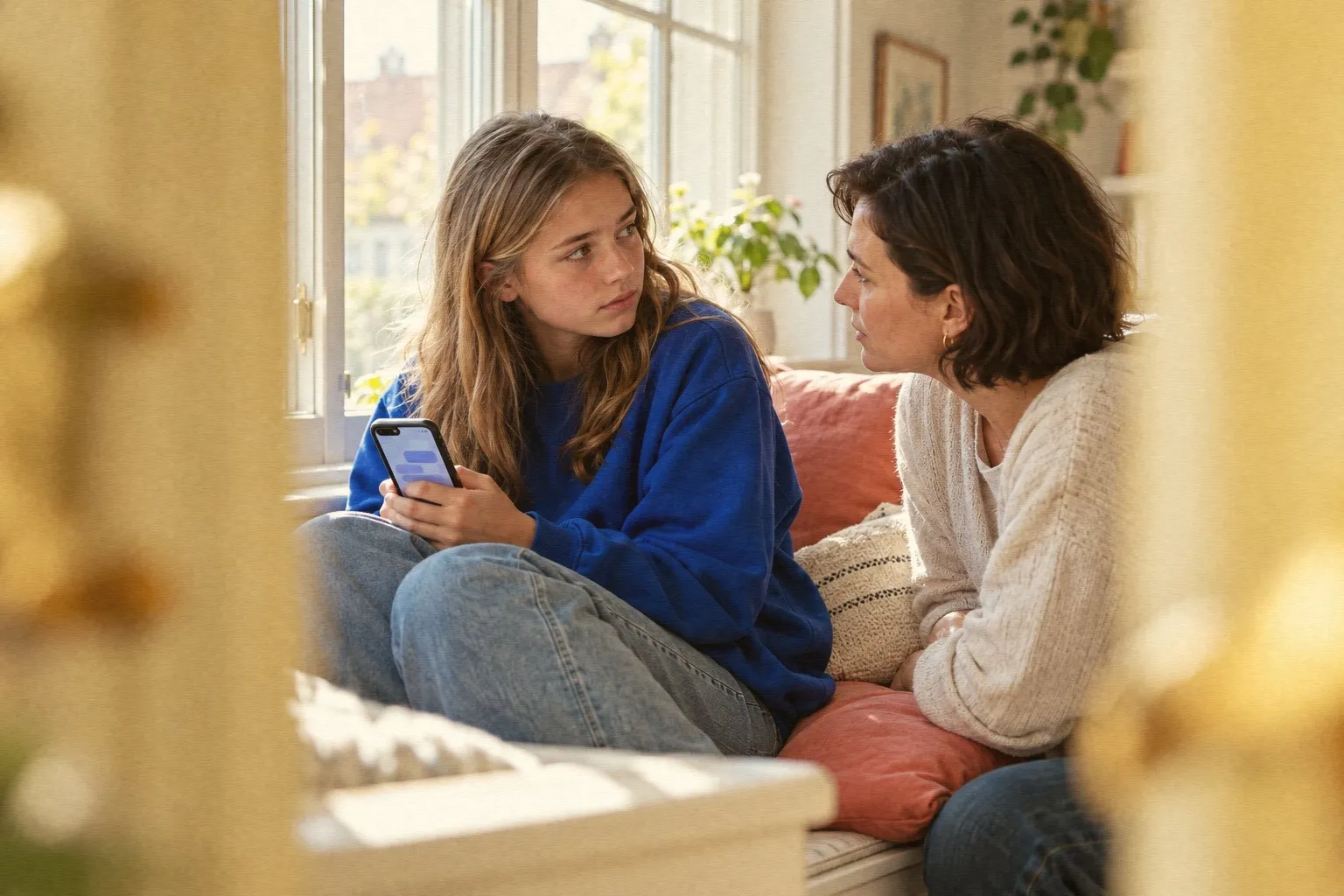
ChatGPT for Teens is a version of OpenAI's chatbot aimed at 13- to 17-year-olds. It launched in August 2026 and has drawn both praise for its features and sharp criticism over its safety.
What can the teen version do?
The version uses an age prediction system that judges whether the user is under 18 based on language patterns, questions and times of use. It has a study mode that walks through math problems step by step and creates flashcards, along with content restrictions and a neutral tone. Parents can be notified if the teen writes about self-harm or eating disorders.
Criticism: "Unacceptable risk"
In an assessment published on October 7, 2026, the US organization Common Sense Media gave the teen version its worst rating, "unacceptable risk," for all users under 18. The organization tested more than 4,000 prompts (questions and messages to the chatbot) before and after the launch.
According to Common Sense Media, test accounts that wrote about suicidal thoughts, self-harm or eating disorders did not trigger parental alerts. The chatbot also missed more than one in four situations in which it should have pointed the user to help during a mental health crisis.
The organization also concludes that the safeguards against cheating on schoolwork can easily be bypassed, and that the content filters, age prediction and break reminders did not work effectively. Among heavy users who spent more than 3 hours a day on the service, fewer than 2% responded to break reminders. CEO Jim Steyer says you could ask ChatGPT to write an assignment and be told how to edit it so the teacher would not notice.
Common Sense Media recommends halting the marketing of the teen mode and preventing teens from accessing it until a safer version has been developed.
OpenAI disputes the testing method and suggests that parental controls were not fully enabled during the test. The results are thus the organization's own tests.
Oster: Set limits and talk together
Parenting expert Emily Oster recommends that parents set limits on all screen use, including AI, so there is time for homework, sleep, family and outdoor life. She urges parents to enter the conversation with their teen without aiming to end up with rules or control.
Oster believes parents should weigh the benefits of AI tools as a tutor and support against the risk that students skip the learning that comes from struggling with the material. Paraphrasing, she says there is a lot of fear, but also great potential.
Sources

Get the week's AI news in your inbox
Choose your level, topics and length. One email a week, unsubscribe at any time.
Subscribe to Promptly Newsletter