

Updates·October 12, 2026, 20:10
AI assistants get hands, email addresses and tighter free limits
AI-generated from the sources listed, with automated source checks.
This week's updates teach AI to work in swarms and on its own, while free offerings shrink in several places. Here is the pattern and what you can do about it.
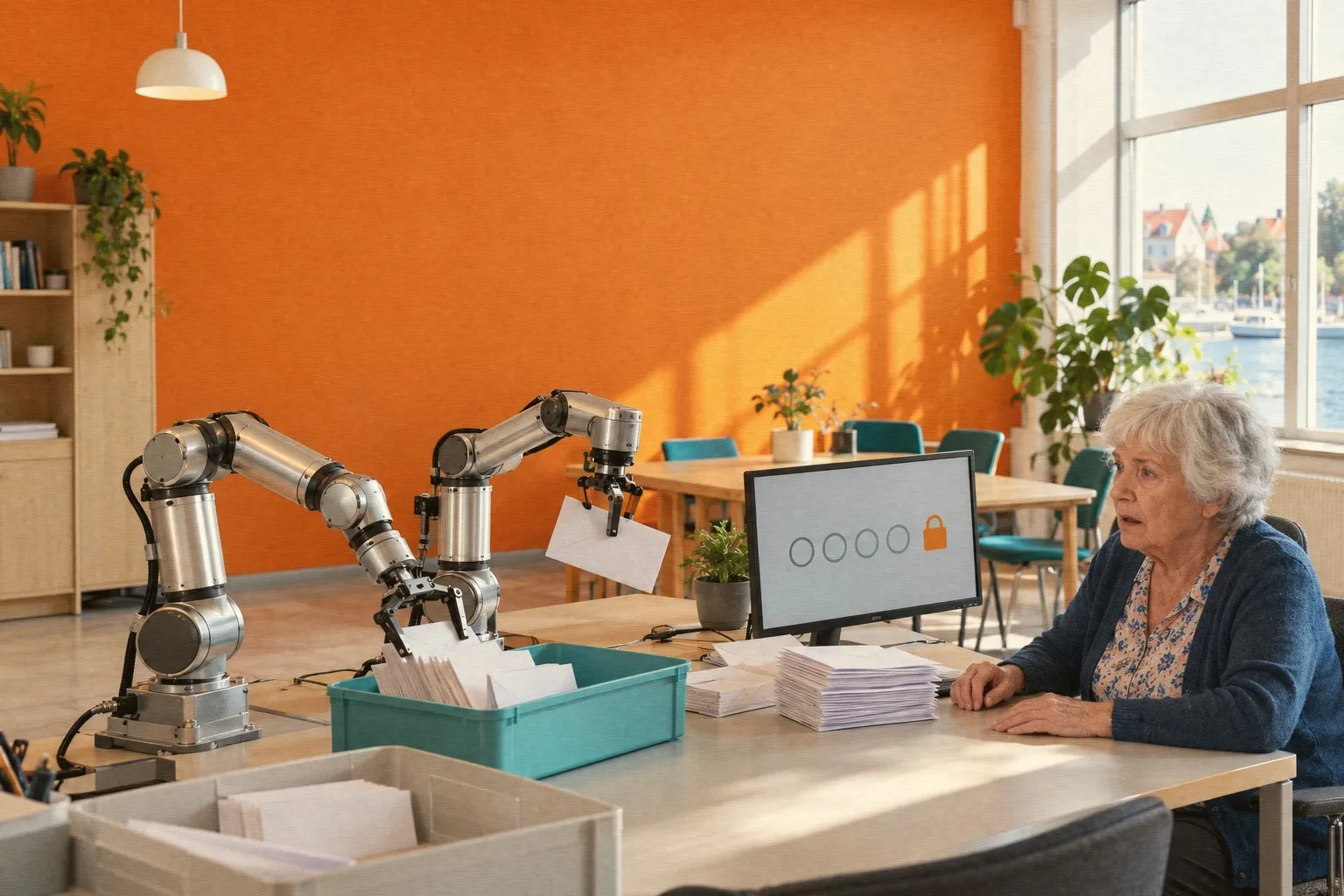
Looking at this week's updates as a whole, two trends emerge at once: AI tools are becoming more autonomous, and the free options are getting narrower.
From answers to independent work
The clearest shift is that AI no longer just answers questions but is given tasks. Anthropic has given Claude dynamic workflows, in which a lead agent (an AI program that carries out steps on its own) splits a large task among up to 1,000 helpers. In one test, the method found 66 of 70 hidden bugs. Claude Code Projects does something similar for Pro and Max users, with a coordinator sending subtasks to several parallel sessions.
We see the same direction elsewhere. Cisco wants to make AI agents permanent members of the team in Webex, but there is no date or price yet. Google Cloud is presenting a Gemini agent that plans, uses a company's systems and delivers finished work, also with no price announced. And Musk's Grok Bot can now get its own inbox and use it to create accounts and schedule meetings. With the AgentMail plugin, setup takes about three minutes, according to the vendor.
That sounds efficient, but it raises a question: Who is responsible when an agent writes to a company in your name? Here the technology is clearly further ahead than the rules of the game.
Faster, more open and more specialized
At the same time, the models themselves are getting faster. OpenAI has sped up GPT-6 Astra and GPT-6.1 Sol with responses about 50 percent faster at no new price. Alibaba has released Qwen-Image-2.1-Turbo, which generates images in 8 steps instead of 40. The weights can be downloaded freely, but the license has a catch. Mistral Large 4 comes from Europe and can be used via API now, while the open weights will follow later in October.
Microsoft is taking a different route with Microsoft-Decision-1, which doesn't write text at all but quickly gives a probability for each of a series of possible choices. Not everything has to be a chatbot.
Free gets narrower
On the consumer side, several companies are tightening up. From October 9, free Gemini users can only choose the lightest model, Flash-Lite, while Flash and Pro require a subscription. At Grok, image generation and the most powerful models require payment, with US prices from $8 to $300 per month. Anthropic itself paused two awards in its startup program after just a few days because far more applications came in than expected.
On the other hand, others are pointing toward more useful tools for everyday users: Google has opened a public website that can detect AI-generated images, video and audio, and Anthropic is offering a free scanner that looks for security holes in open source.
What can you do?
Check which model you are actually using now that free offerings are changing. Feel free to try agent features on small, harmless tasks before they get access to your email or your customers. And keep an eye on the usage rules: Anthropic's new terms take effect November 12 and, in the most extreme cases, could cost you access over persistent, purposeless abuse toward Claude.
Source


Get the week's AI news in your inbox
Choose your level, topics and length. One email a week, unsubscribe at any time.
Subscribe to Promptly Newsletter