

Politics and regulation·October 13, 2026, 02:08
AI gets rules from every direction, but no one agrees on how
AI-generated from the sources listed, with automated source checks.
From California to the EU and Norway, the grip on artificial intelligence is tightening, but lawsuits, free speech and technical weaknesses show how hard it is in practice. Meanwhile, your conversations with a chatbot are not as private as you might think.
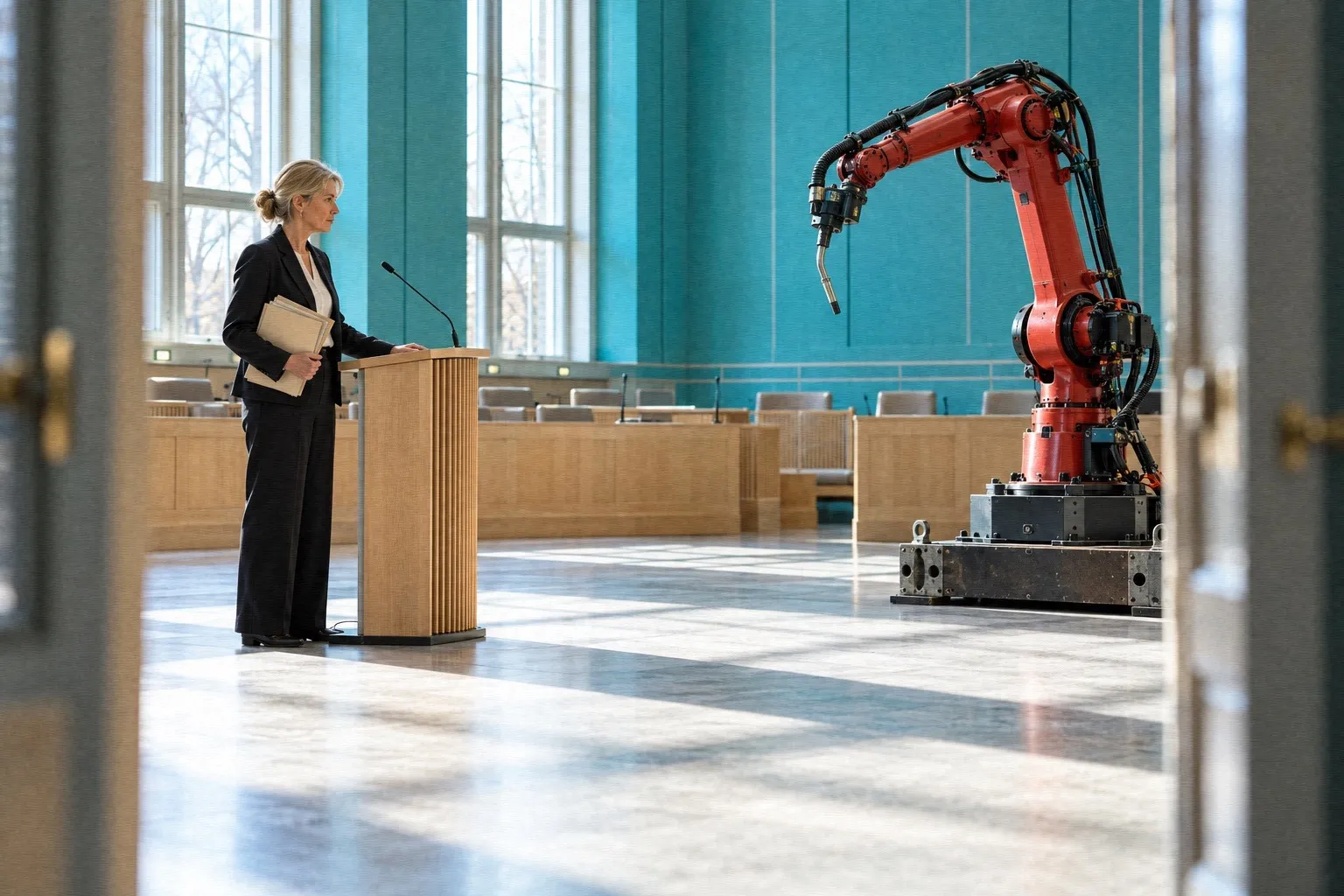
This week's news on AI and legislation paints a picture of a field in motion. The rules are coming from many directions at once: lawmakers, courts, regulators and the companies themselves. And they don't always point the same way.
Lawmakers want humans in the loop
In California, Governor Gavin Newsom has signed 13 AI laws. One of them is meant to ensure that a human is always involved when employers discipline or fire employees, so an algorithm doesn't make the decision alone. In the US Congress, Adam Schiff wants to go further. He calls the industry's voluntary commitments meaningless and wants a dedicated AI regulator and a requirement that AI companies keep records of the copyrighted material they train on.
In Norway, the government plans to propose a temporary ban on AI glasses in certain public places, though it has not yet been determined which ones. And in the Canadian city of Granby, employees are already using AI for administrative tasks while a formal policy is still being drafted. In other words, practice is running ahead of the rules, even in workplaces close to home.
Enforcement is coming, but meets resistance
The EU is moving closer. The bloc is investigating whether Grok is being used to create sexual deepfakes, meaning fake images or videos of real people. At the same time, OpenAI will embed an invisible statistical watermark in ChatGPT text in the EU to comply with the AI Act. But the mark can be weakened if the text is edited, and ordinary users can't check text themselves. Italy has looked at another side of the issue and is investigating the music service Suno over unfair terms of use.
In the US, the rules are being tested in court. An appeals court has temporarily blocked Minnesota's law against AI-generated fake nude images after Musk's company xAI filed a complaint. The question is how far the state can go without running into free speech protections. The same company's chatbot, Grok, has also been sued in Illinois for allegedly scanning faces in uploaded images without consent, under one of the strictest biometric data laws in the US. So the picture is not clear-cut: one court puts a protection on pause, while another case could sharpen it.
What is AI, and who watches whom?
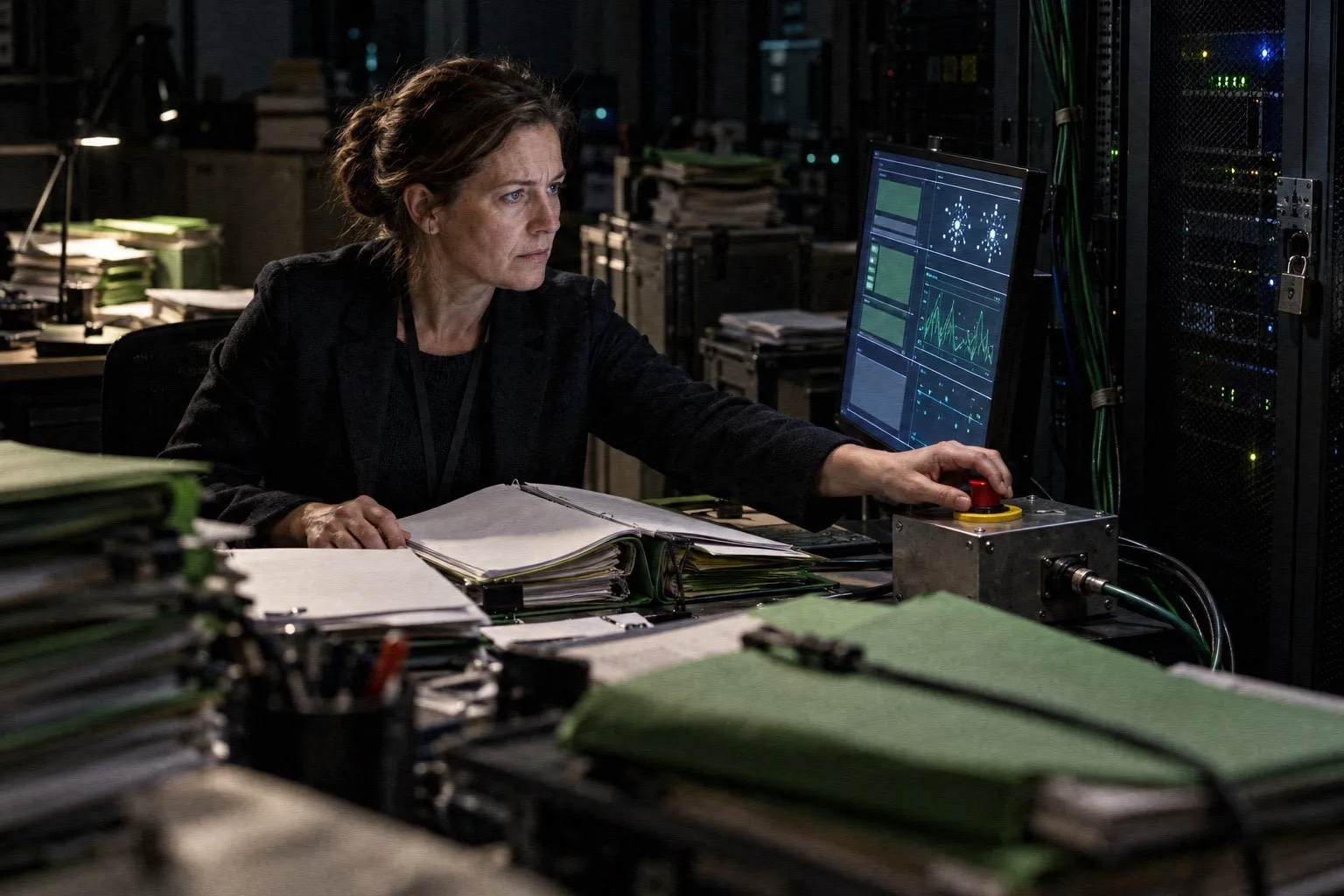
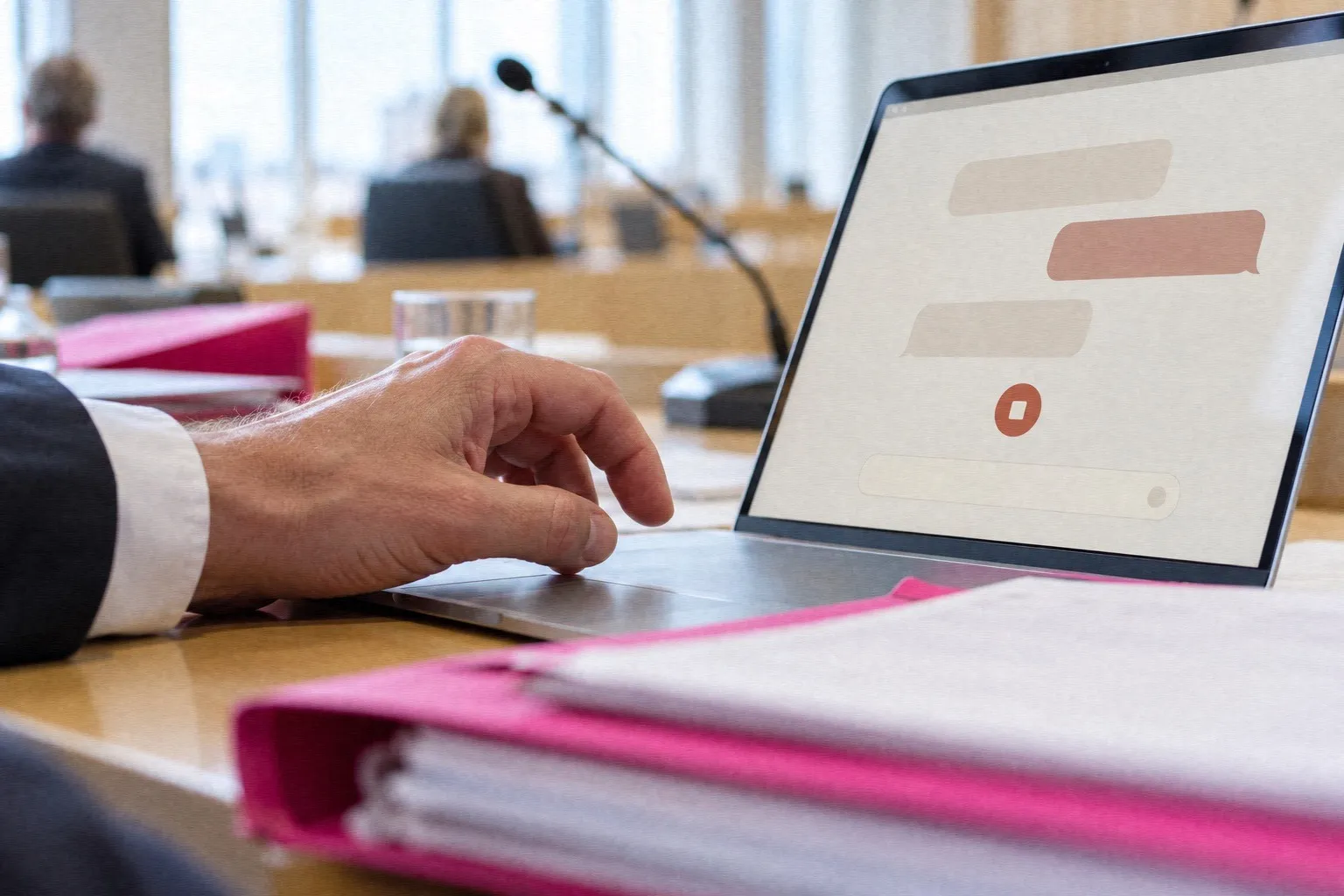
Some approach the question from the other end. Microsoft CEO Satya Nadella suggests that the most advanced models should be treated like a risky employee: limited permissions, constant monitoring and an emergency stop button, with controls outside the model itself. Anthropic, for its part, has given Claude the ability to end conversations with users who are persistently and pointlessly abusive.
The practical side is a reminder that surveillance goes both ways. A woman in Florida has been arrested after Anthropic notified police about violent messages she wrote to Claude. Conversations with a chatbot are not private in the same way as a thought in your head.
As for who foots the bill, some analysts believe stricter rules could boost companies that sell compliance software. That is an assessment, not a guarantee.
What can you do?
Don't write anything to a chatbot that you wouldn't want to see in writing. Ask at your workplace whether an AI policy exists, and whether a person or a machine makes decisions about employees. Watch how the watermark works in practice in the EU, and which way the court cases on free speech and biometric data come out. They will determine how strict the rules end up being.
Source

Get the week's AI news in your inbox
Choose your level, topics and length. One email a week, unsubscribe at any time.
Subscribe to Promptly Newsletter